

 Christopher Barrett
From renting audio equipment from the back of a van to underpinning some of the world’s most complex and high-profile live event productions, Star Live has grown into a global multi-service operation that continues to evolve. We explore its 50-years of innovation.
Traditionally known as one of the industry’s leading live event staging providers, Star Live’s work today spans entertainment, sport and brands, including semi-permanent and permanent building projects such as immersive exhibition spaces like NEON at Battersea Power Station and the newly opened Mundo Pixar Experience in Wembley.
The Milton Keynes-headquartered operation now provides an array of proprietary products and services, from major touring and festival stage builds to semi-permanent structures, modular solutions and venue enhancements.
Servicing clients across Europe, the Middle East, Southeast Asia, China, India and Mexico, Star Live also delivers seating for major sporting events such as the Ryder Cup and Formula E, versatile Starbox modular structures for events and brand activations including Cannes Lions and The Amex Experience at BST, alongside venue enhancements such as Mothergrids designed and installed at Mexico City’s Palacio de los Deportes Arena, and Beijing’s Wukesong Arena.
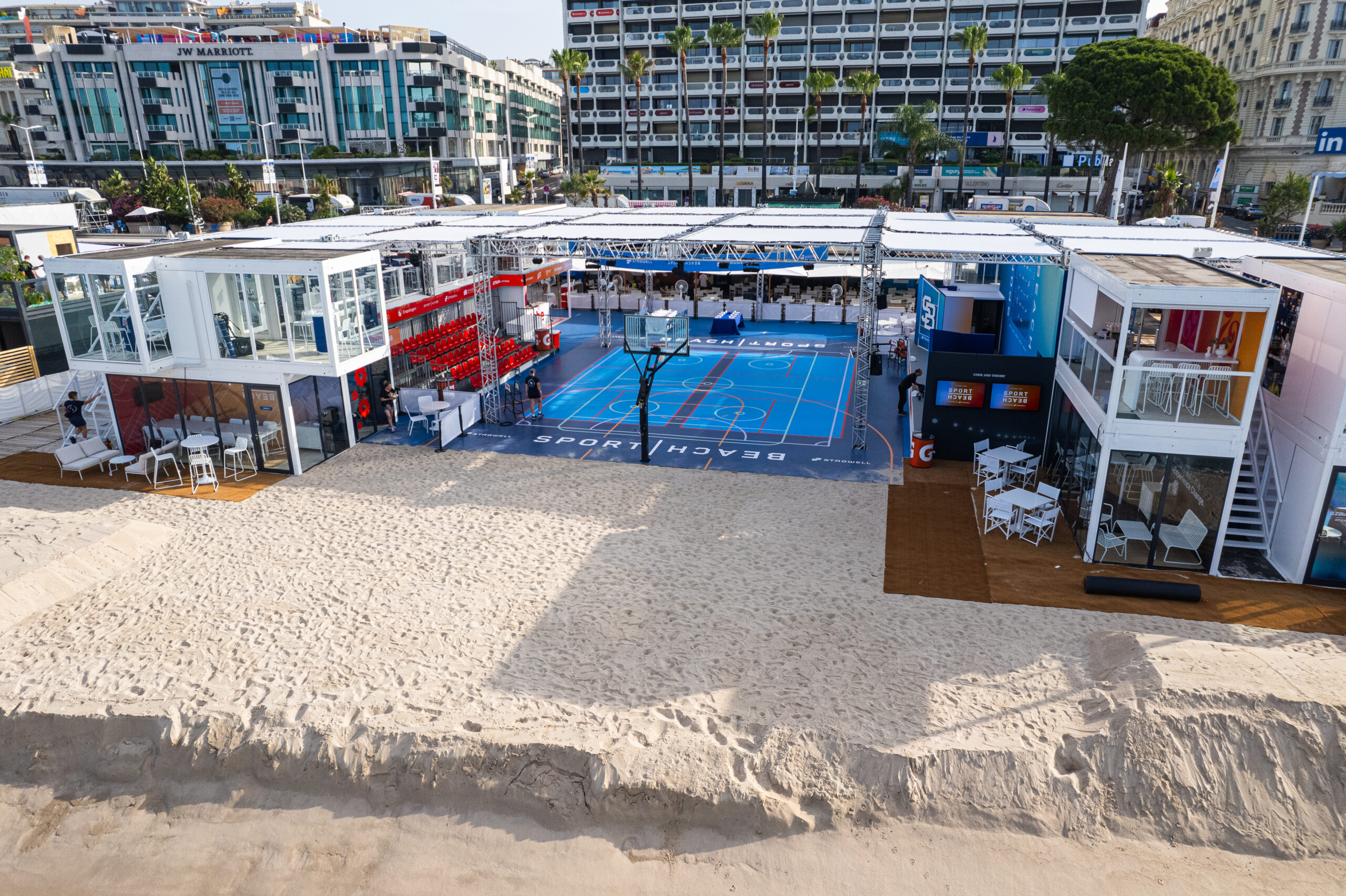
Stagwell Sport Beach, Cannes Lions 2025

Grahame Muir
Grahame Muir, who has been Star Live’s CEO since 2019, says the focus on diversification and de-seasonalising the business has paid off: “We’ve gone from a business that was profitable for five months of the year to one that is profitable for 10 months a year. More of that work now comes through repeat partnerships and multi-year projects, increasingly delivered across multiple regions.”
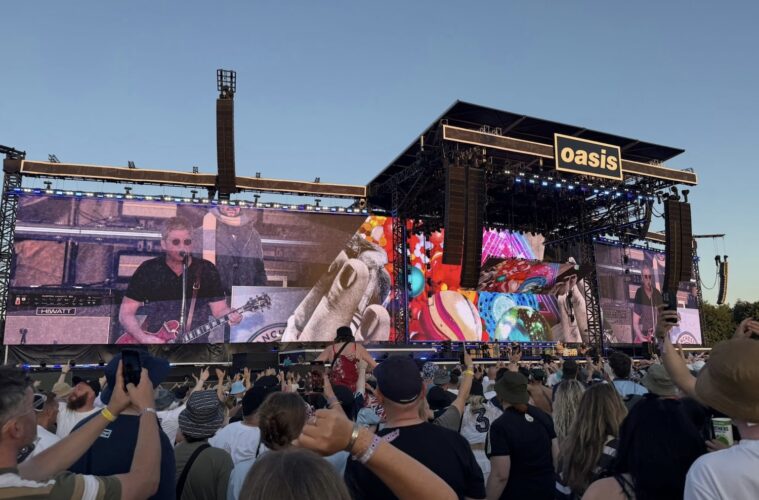
Staging remains at the heart of Star Live, which has engineered some of the most spectacular stage systems used by festivals and tours in recent years. Among them are BST Hyde Park’s iconic Great Oak Stage, built using Star Live’s Titan system, and the stunning Ultra Stage used for the Oasis Live ’25 tour. At Heaton Park, the Ultra Stage carried screen supports that reached 84 metres wide by 12 metres high. The set up is believed to be the largest ever used for a UK concert tour. As well as looking spectacular, the stage was designed to enable increased capacity in the stadiums.
The same innovative approach and attention to detail also underpins Star Live’s work across sport and brands, from grandstand builds and seating solutions to modular structures and experiential infrastructure.
Star Live technical director Roger Barrett has been with the company since the outset, having founded audio rental operation Star Hire in August,1976; just three days before the birth of his first child. He describes starting a business and a family in the same week as “not clever”.
By the early 1980s, venue operators were increasingly installing their own sound systems, and Barrett saw his rental operation suffer. Aware that the rudimentary stage set ups used for the emerging outdoor concert scene could be vastly improved upon, Barrett set off on a new path.
With a new staging operation up and running, Barrett soon realised that the biggest costs were labour and transport, so he came up with the idea of a mobile stage that would fold down into the back of a truck. “That was very radical at the time,” he says. “We got a patent on that, which stood us in good stead for the next 20 years.”
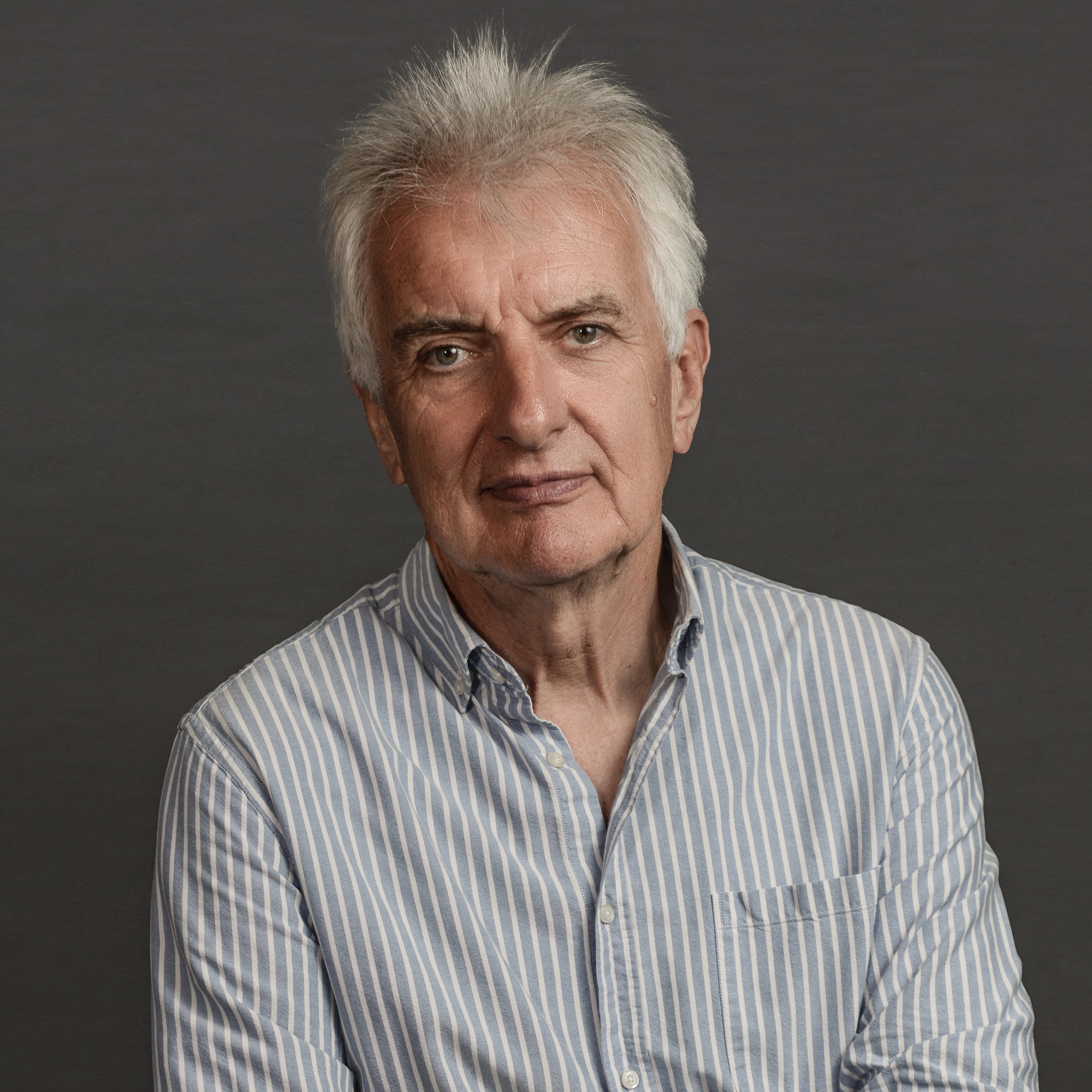
Roger Barrett
By 1990, Barrett’s abundant engineering ingenuity saw him create the VerTech staging system, first used at the Stone Roses’ famous Spike Island show in May of that year. He says the system set the template for modular touring stages, offering increased efficiency, reliability and safety. With it allowing for multiple configurations, performance widths, canopy depths and trims, VerTech continues to be widely used. Other innovations soon followed, including the Active Roof Technology (ART of Rigging) system for real-time load monitoring; and the 20-20 Grandstand Roof system that was first used at the Royal Windsor Horse Show in 2011.
Another pivotal moment in Barrett’s career came when his team was asked to create a world-first staging system to accommodate an in-the-round concept for Adele’s world tour in 2017. The result was a heavily engineered staging system, with all the structural complexity hidden, that simultaneously met structural, safety, and Es Devlin’s aesthetic, demands – leading to the creation of the Ultra Stage system.
Barrett says Adele was fresh from a long running US arena tour and wanted to play the southern hemisphere, where suitable arenas were not available. The solution was to move into stadiums. With a true 360° in-the-round stage setup required, and Adele being unwilling to perform behind the cross-bracing steel wires usually needed for stability, it meant Barrett and his team were tasked with creating an innovative structural engineering solution.
“They wanted a 360° set up, with the audience so close some were under the roof of the stage, with no backstage area,” he says. “The audio design required eight huge PAs hung roughly 25 metres apart and 30m up in the air. The existing truss solutions wouldn’t cope so we invented a new truss, called Ultra, that was the same size as four VerTech vertical masts grouped together. That was the cornerstone of the plan. The tower system was completely new, while the horizontal grid at the top was all VerTech technology.”
The innovative Ultra Stage system conceptualised for Adele’s tour was later adapted for a wide range of events, from the League of Legends World Championships in Shanghai to the Queen’s Platinum Jubilee and Parklife.
Further adapted for the Oasis Live ’25 tour to meet the requirements of the promoters and show designer Paul Normandale, it was tailored for each individual venue to enhance sightlines and sound quality while also enabling the promoter to sell more tickets. The setup included an 11m reinforced cantilever roof supporting more than 27 tonnes of rigging, while in-stage tech bunkers had 62m² of clear space and a retractable roof system.
“The ability to cantilever opens sightlines at the sides massively, because there’s no towers in the way. For Oasis, we really pushed the cantilevers so the capacities in the stadiums were significantly higher,” says Barrett.

NEON at Battersea Power Station, London
Now in its 50th year, Star Live continues to go from strength to strength with no shortage of major projects in the pipeline, servicing clients both old and new. The company, which secured a significant investment from LDC in 2023 to support its growth, is continuing to expand its reach and service portfolio.
“The Middle East is the fastest growing part of our business, particularly in Saudi,” says Muir. “Three years ago, we worked on a project there with Live Nation and soon realised we needed to have a business presence in the region. We now have an office and a warehouse housing a multi-million-pound inventory.”
Another major step forward for Star Live in the region is a new strategic collaboration with Electra. “By combining Star Live’s expertise in staging, structures, seating and modular solutions with Electra’s leadership in premium fit-out and experiential delivery, we are creating a truly joined-up, turnkey offer for clients delivering ambitious projects across the Kingdom and the wider GCC. This partnership will supercharge our business in the Middle East.”
“Star’s reputation has travelled around the world on staging but there’s a wider sphere of opportunity out there for us. It’s about reigniting and amplifying the brand across various other live event opportunities, including moving into the design and build of permanent projects.”
With premium proprietary systems, a delivery-first culture and teams trusted as a safe pair of hands on the world’s biggest shows, Star Live’s next chapter looks set to be shaped by the same hallmarks that built its reputation: innovation, reliability and a relentless focus on doing things the right way. The next 50 years is indeed looking bright for Star.