


 Access All Areas
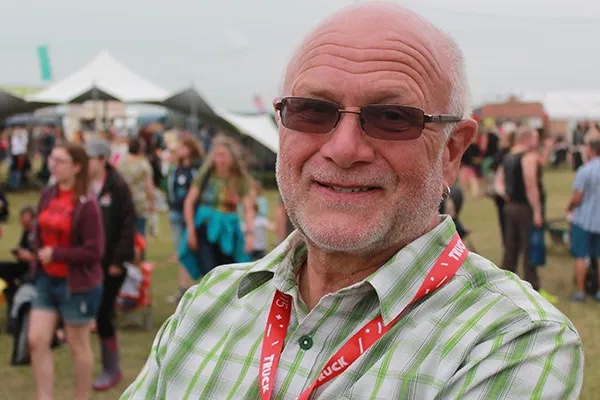
Festival industry veteran and Event Industry Forum chair Steve Heap – whose vast contribution to the sector includes him being the Association of Festival Organisers general secretary for the best part of four decades and director of Towersey Festival for 45 years –provides his perspective on how festivals can and will overcome current challenges.
 So, there we were in 2019 feeling like we could probably weather Brexit – would it really affect the festival and outdoor events industry very much?
January 31 2020 came and went and apart from a complicated hit on European touring our neck of the woods seemed okay. It wasn’t until some years later that the real effect of Brexit was felt, and indeed still is of course.
Brexit was overshadowed by Covid, now that really did hurt us. The ups and downs, the funding and the no funding, the new jobs and the lost jobs are all well charted in history books and blogs.
We talked of recovery in 2022/2023 but it never really came. We were hit by the economic crisis, serious shortage of disposable income for our ticket buying public. Then as we commenced booking infrastructure for the new season, the prices had doubled and, in some cases, trebled. The explanation was clear and freely available.
The running costs of depo, staff, transport, power, marketing and kit replacement had gone through the roof and were now being passed onto the event organisers. Understandable, but very hard to take, especially when some event organisers had already pitched their ticket price. (Now there’s a lesson for the learning).
So, with these costs now more visible, the 2024 season should have given us at least a fair chance. But would our customers accept or even afford a major hike in ticket prices – sadly in many cases, not. And so festivals and events started to fall by the wayside, (over 70 at the last count), and probably a great deal more that are off the radar.
Some events carried on only to collapse before the gates opened, others could see the writing on the wall and “took a year off”, with promises of returning in 2025.
Time will tell if they do. Action was clearly needed and AIF and LIVE led the way with approaches to HM Government. “Give our industry support, reduce VAT on ticket sales to 5% and the benefit will return in VAT sales”. Several more ideas and approaches were tried. Recognition was certainly achieved. What government has not recognised is the enormous contribution our industry makes to the national economy.
However, recognition will not put our festival and events industry back on its feet. Professional support is needed, and the new government should underwrite this enormous UK music industry in the same way it does for steel, cars, the fishing industry and indeed orchestras and the wider arts.
We need to get local and national governments understanding that the vast majority of our events are of great importance to their communities and the live music ecosystem. That most festivals are not massive and commercial, they are relatively small and often run by volunteers.
Voluntarily run events are mostly run professionally, by which I mean that they know what they are doing and how to do it, economically and safely. Indeed, the majority of sales for The Purple Guide to Health, Safety and Welfare at Outdoor Events are to the voluntary sector.
The common thread that runs through voluntary run events and commercial operatives is infrastructure and professional musicians. It’s there that the vast increase in production cost have come. This is not a complaint; it is a recognition of the enormous expense involved in staging our festivals and events. The risks the organisers must take in paying deposits before sales cash arrives are considerable. Whether the tickets sell or not, those infrastructures and artistic bills will still have to be paid. Also, in advance and needing to be paid are the costs of marketing.
So quite simply I would ask suppliers, artists agents and managers to consider the promoter’s risk dilemma.
So, easy on the up front demand and trim your bills where you can to give your customers (the promoters) a fair chance to cover costs, at least break even and be successful. That puts them on your client list next year and the year after.
Whether you are a promoter, voluntary sector or fulltime professional give a reasonable deal offer to the supplier, be honest about your hopes and dreams and most of all talk to them at a very early stage. There are many out there who can and will advise you on what your need to hire.
You might think you need four generators, and your supplier will supply them to you if you insist and are willing to pay. But try asking them for advice and you could find you only need three. Same goes for tracking, fencing, tentage and production kit. Put that meeting in first and team up with your suppliers.
The future, I think, is bright for festivals and events. Just be patient, our industry has been through tough times before. I was there at decimalisation; I was there at the oil crisis and the Thatcher years.
All of these and many more in recent years have presented us with tough times but we fought our way through them and will again.
The human race has gathered in celebration, what we now call festivals, for centuries. We are not about to stop now.
Some events, small and unknown, larger and famous, will fall by the wayside, but others will rise up to take their place. To avoid the next hurdle we must insist the HM Government recognise our contribution through job provision taxes, PAYE, VAT and invisible community spend, and provide financial support.
We are a resilient and creative industry, and we will continue to deliver the very best – because that is what we are recognised for… worldwide.
Support your festivals and outdoor events in 2025!