

 Christopher Barrett
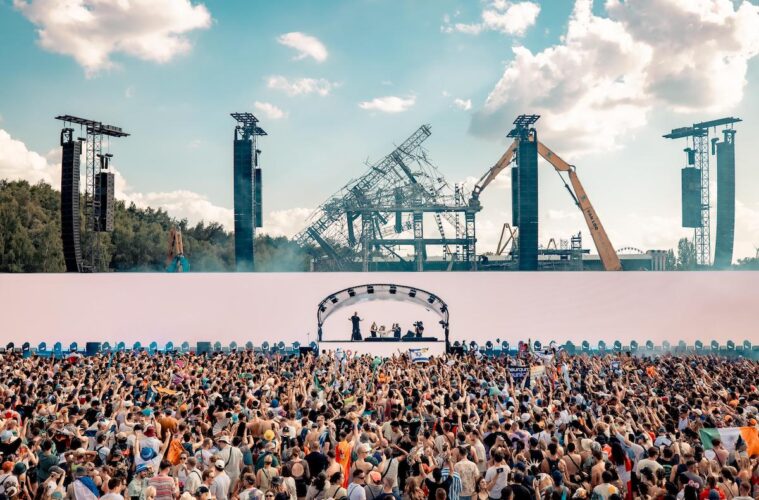
Having seen the shocking sight of Tomorrowland’s elaborate main stage engulfed in flames just 36 hours before the gates were due to open, few would have expected the Belgian event to rise phoenix-like from the ashes.
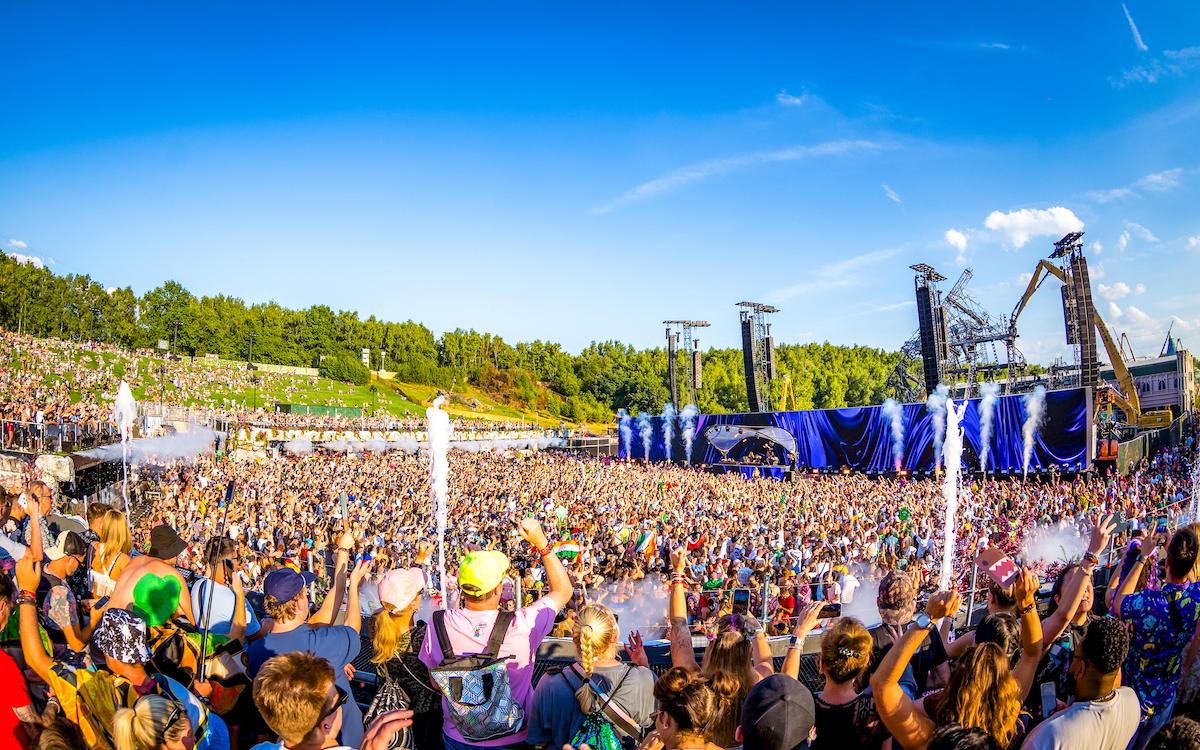
Led by brothers Manu and Michiel Beers, the Tomorrowland production team, creative director and a group of highly experience suppliers worked day and night to enable the 70,000-capacity event to continue with a new stage setup designed and built within hours. It has rightly been described as a masterclass in resilience, speed, and creativity.
PRG EMEA & APAC president Bob Walpot reflects on how the company worked with the festival team and crews from fellow suppliers including Noizboyz, Pixelscreen, Prismax, Phlippo Productions and Stageco to pull off one of the most remarkable live event recovery jobs in history.
As well as explaining how the many challenges were overcome, including making the wreckage of the original Orbyz stage safe for crew, acts and audience members, Walpot outlines where the ‘Metallica saves Tomorrowland’ fake news originated from.
Bob Walpot
Keeping the Tomorrowland show on the road was a remarkable feat. I presume you’ve never experienced anything like it?
On a tour you could probably achieve something similar even faster, and it was not the biggest stage we’ve ever seen, but what made it remarkable was the reaction of all involved. We got the news on Thursday and we were initially unsure of what could be achieved, but we made sure we were as ready as we could be for all possibilities. Our team at PRG, and the wider industry, always have one very clear goal in mind and that is to see the show go ahead and everyone there enjoying it. The ability to overcome difficult moments like that is what really makes this industry extremely special. It was very much a team effort, with Phlippo Productions doing the sound with Noizboyz, Stageco creating the stage, Pixelscreen the lighting and Prismax the content. There’s a very long list of people who brought it all together, there are many heroes, our role was getting the lights up.
“We should all be very proud as an industry.”
When did you first find out about the fire?
I was just boarding a plane to Madrid and I got a phone call from a project manager at Tomorrowland. I am still personally involved because there is a relationship there that goes right back to the first version of Tomorrowland. I got the phone call when we were just about to take off so I sent a WhatsApp message back and then got one straight back saying, ‘The main stage is on fire, luckily everybody is okay’.
It was the second part of that message that stopped me from running into the cockpit and getting the plane turned around immediately because in cases like this, it really is all about the people. Luckily, I had WiFi and so after 15 minutes I could start chatting with them. The fact nobody got injured shows that the Tomorrowland team had all the right procedures in place. There were quite a few people at the mainstage when the fire started because we were finishing up the delivery and making sure that we could go into final programming and rehearsals.
I landed around 8pm and soon started having calls about insurance and making sure we had the equipment ready if we were asked to rebuild something. We started to pull together a list of equipment needed, checked stock availability across the different PRG warehouses in Europe and how we could get it to the site as soon as possible.
It was at that moment that all the partners started to reach out to each other. So, for example, Phlippo was responsible for the sound so we said, ‘If you guys need anything from us, give us a shout’, and they said, ‘We’ll let you know what we have in terms of lighting still in stock’. It was a tremendous team effort, with everyone really working together from that moment on.
Once the hundreds of firefighters had done their job, how was the huge production team coordinated to make the area safe and create an alternative stage?
There was swift communication from the production team that said, ‘We are going to put everything in place to make sure that we are ready to go ahead’. Because many of the companies involved have partnered with the event for such a long time, it was very clear that we could trust each other – that’s rule number one. The first problem to solve was breaking down the old stage and making it safe, and while that was happening we used the opportunity to check in with all our people to make sure that they were not just physically okay but also mentally, because they had witnessed something shocking. They all said, ‘Let us know how we can help, we’re here and ready to go’.


“That is when it really came together, when the magic happened.”
How challenging was it working in that environment, with the charred remains of the original mainstage so close?
It was very difficult. All credit to the Tomorrowland team for making sure it was done in a very safe way, they took that very seriously and had all the right people involved to be able to do that.
We knew that we would need to be very flexible. We did as much pre-production in the warehouse as possible to make sure we prepped everything as much as we could without losing the flexibility on site to cope with last minute creative changes.
We had the first load in call at 2am but they could really only start building the lights at 4.30am once they had unloaded everything. We had a second crew come in at 6am, so we had two crews working at the same time. Around 10am everybody had to leave the site because a large part of the old main stage had o be taken down. It was midday before we could restart, so two hours were lost of the already limited time available.
I remember calling one of our project managers and he said, ‘It’s incredible to see, it doesn’t matter anymore what logo is on their t-shirt or their truck; everybody is pulling together’. That is when it really came together, when the magic happened, and that’s what made it possible to hit the deadline.
“It was fake news.”
You must have seen the headlines claiming that Metallica had saved the day with their equipment, do you know where that story came from?
It was fake news. Of course, Stageco has a lot of tours on the road. It was the Metallica tour that at that moment wasn’t out, and they looked at using some of that steel in the construction but of course Metallica has a round stage, so it wasn’t possible. I think someone must have simply referred to it as the same type of steel that was going to be used to put the speakers on, and then somebody translated that into Metallica’s speakers. It was not Meyer Sound, it was an L-Acoustics set up used by Phlippo Productions. So, the stories were simply not true.
Was anything changed between the two Tomorrowland weekends?
There were only really small adjustments. I think Tomorrowland and everybody creatively involved, including ourselves, had done as much as was realistically possible, and from then on everyone was in show mode.
You must be incredibly proud of your team?
We are extremely proud, not just on the PRG side but also of our competitors, which at that moment were definitely more colleagues than competitors. We should all be very proud as an industry, not just what we achieve in those difficult moments but in the everyday situations when we pull things off which are incredible.