

 Christopher Barrett
The creators of the Green Events Code of Practice (GECOP) pilot have published a report outlining the impact of the initiative, including it having improved the environmental sustainability of 60 events attended by 2.3m people last year.
Driven by non-profits Vision for Sustainable Events and Julie’s Bicycle, the Donut Advisory Toolkit for Events (DATE) was used as the main event assessment method for GECOP.
Trialled by ten local authorities to establish new minimum environmental standards, the GECOP pilot was designed to address the lack of national standards on sustainable practices for event organisers, examining best practices in areas such as governance, energy, travel and transport, food and drink, waste, water and influence. The project assessed how effectively local authorities could integrate an environmental assessment into event processes and the resulting positive impact it could have on their environmental practices.
The national trial involved large-scale music events including the 80,000-capacity Parklife Festival and Reading Festival (cap. 105,000), sports events including the Tour of Britain, and dozens of community gatherings. According to the report, the results from 60 music, sports and community events demonstrate overwhelming support for nationally aligned standards.
The reports found that 60% of event organisers implemented new environmental measures as a direct result of the pilot, 92% expressed a commitment to adopt even more sustainable practices in the coming year, and 70% of participating local authorities made changes to policy or procedures for more robust environmental requirements.
Other findings include 83% of participating events reporting improved environmental awareness, while 80% gained increased confidence in taking environmental action.
Climate change specialist for music at Julie’s Bicycle, Richard Phillips said, “This ground-breaking project has gone a huge way to creating a blueprint for policy around environmental sustainability in the outdoor events sector. The results of the pilot indicate that this can create real positive change on the ground, as well as encouraging wider conversations on environmental sustainability at local government level.”
The project was funded by Arts Council England, EarthPercent, and participating local authorities including Bristol City Council, Colchester City Council, Gloucester City Council, Leicester City Council, Liverpool City Council, Maldon District Council, Manchester City Council, Norwich City Council, Reading Borough Council and West Northamptonshire Council.
Among the key members of the team behind the pilot, which was launched at the Event Production Show (EPS), academic Andrew Lansley outlines future plans for GECOP in the forthcoming Spring edition of Access All Areas magazine. He will also be among the speakers involved in the Driving Efficiencies & Future Proofing Events Businesses conference session on the AAA Main Stage on day two of EPS.
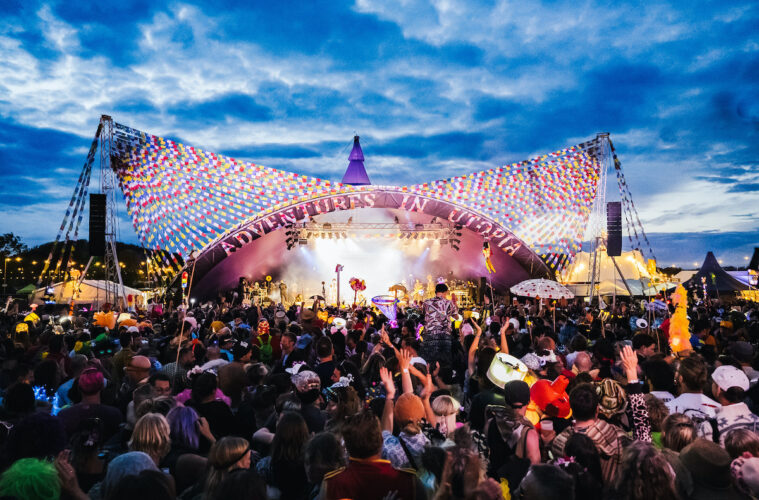
“This pilot has shown that GECOP successfully creates a common understanding of what good looks like, and supports smaller cultural organisations and events, many taking their first steps to take action,” said Vision for Sustainable Events Forum chair and Shambala Festival (pictured) director Chris Johnson. “In 2025 we need to test how to integrate this into local authority processes, what resources are needed to roll out nationally and establish the levels of practice for a realistic and ambitious minimum standard at different scales and types of events.”