

 Max Steventon
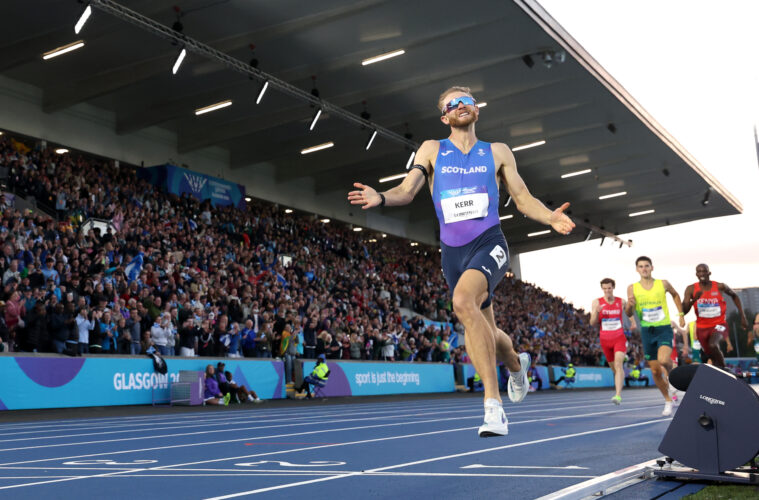
The Glasgow 2026 Commonwealth Games concluded on Sunday (2 August), with organisers saying it proved a successful new hosting model.
The event, which attracted an attendance of 630,000, was delivered using the Commonwealth Sport’s Games Reset framework that organisers said provides a more flexible and sustainable approach to hosting the Games.
The scaled-back operational delivery of the Games was overseen by Trivandi, who had a shorter-than-usual timeframe to prepare the event after the Australian state of Victoria withdrew as host due to rising costs.
Held over 11 days, the Games brought together athletes from 74 nations and territories, with 41 nations winning medals. Glasgow 2026 also featured the largest integrated Para sport programme in Commonwealth Games history.
More than 630,000 people engaged with the Games through competition venues, live sites and the Glasgow 2026 Festival, while Games and Games Family social media channels generated almost 500 million views, according to organisers.
The Closing Ceremony included the formal handover to the Indian city Amdavad, which will host the centenary Commonwealth Games in 2030.
“Glasgow 2026 has exceeded our expectations,” said Commonwealth Sport president Dr Donald Rukare. “We have seen world-class competition, extraordinary athlete stories and the power of 74 nations and territories coming together through sport. These Games have shown that innovation, sustainability and athlete experience can go hand in hand.”
Glasgow 2026 CEO Phil Batty OBE said, “These are a Games that could have come quietly but that is not the Glasgow way. Through innovation and partnership, we have delivered a Games that is smart and sustainable and represents the heart and soul of its host city and nation.
“Our legacy is a Games model that will evolve and flex with future hosts and the proof that major events can be done differently. Above all, these are Games that every nation of the Commonwealth can now believe they can host.”