


 Christopher Barrett
Since it was launched by the Pink Bows Foundation at the Event Production Show, the Showstop Procedure training and certification programme has expanded its reach internationally. Access hears why global adoption of the procedure is essential.
The launch of the Professional Certificate in Showstop Procedure course, at the Event Production Show in February, saw Steve Allen and Dr Mark Hamilton joined by We are FSTVL director Steve Durham and Crosstown Concerts promoter Conal Dodds to outline what’s involved and why it’s so urgently needed.
The passionate exchanges, and sometimes shocking examples of why the scheme should be uniformly adopted globally, was preceded by an introductory speech (see film below) by Brian Dubiski of the Pink Bows Foundation, that no one who experienced it will forget.
The course has been created with the full support of the Pink Bows Foundation, an organisation set up by the parents of Madison Alexis Dubiski, who at the age of 23 was one of ten fans who died in 2021 during a surge in the audience at a Travis Scott performance at the Astroworld Festival in Texas. Madison’s family (pictured) travelled from the US to the Event Production Show (EPS) to launch the course.
Since it was founded by the Dubiski family in 2022, the Pink Bows Foundation has been on a mission to collaborate with the events industry, raise awareness and create a global standard for Showstop Procedure at large-scale events. Madison’s family established the foundation after witnessing the huge level of national support following the Astroworld tragedy, with its name inspired by the pink bows that were placed in Houston and around the world, in memory of Madison.
“Everyone deserves to come home at the end of the night after a concert or festival.”
Introducing the panel session at EPS, Madison’s father Brian (see box) said, “Everyone deserves to come home at the end of the night after a concert or festival. We are hoping that those with safety roles and responsibilities, will collectively join us on our journey to improve the likelihood of this.”

Left to Right: Dr Mark Hamilton, Jimmy Bass, Michelle Dubiski, Ty Dubiski, Brian Dubiski, Stephanie Stegall, Steve Allen
Since EPS, Pink Bows Foundation and its crowd safety consultants Allen and Hamilton, who were both expert witnesses in the Astroworld civil litigation, have wasted no time launching and extending the reach of the Showstop Procedure course. The training and certification programme debuted in Houston, Texas, on 26 March, and has since been rolled out across the UK and Ireland.
They have also delivered two accredited Showstop Procedure courses, hosted by Roskilde Festival (pictured), that were attended by event professionals from across Europe.
“The first certified European Showstop Procedure course at Roskilde Festival was delivered with outstanding clarity and professionalism by Mark and Steve,” said Pascal Viot, security coordinator at Paléo Arts & Spectacles and Yourope Event Safety Group. “This course is part of a collaborative international initiative I am proud to co-develop, to promote a shared culture of responsibility and create global standards for stopping shows safely.”
By mid-May, more than 150 senior figures from across the events industry had taken part in the course, and that number is growing steadily. Allen says the course has seen significant demand, with the Dublin edition selling out in six hours. New course locations are regularly being added to the schedule.
Hamilton says, “What’s really important is that all the attendees, so far, are in senior leadership positions in the industry and have all got extensive experience of running major events. What that demonstrates is that we’re getting industry leaders paving the way with the Showstop Procedure training. That’s important as the course rolls out across the industry to a much broader range of people, not just security and crowd safety related personnel but also those in production roles such as the stage manager, production manager and event manager.
“The Showstop Procedure is a key emergency management tool which the entire event management team should understand in order to implement it swiftly and decisively, and understand how that impacts all the decision making architecture during an emergency.”
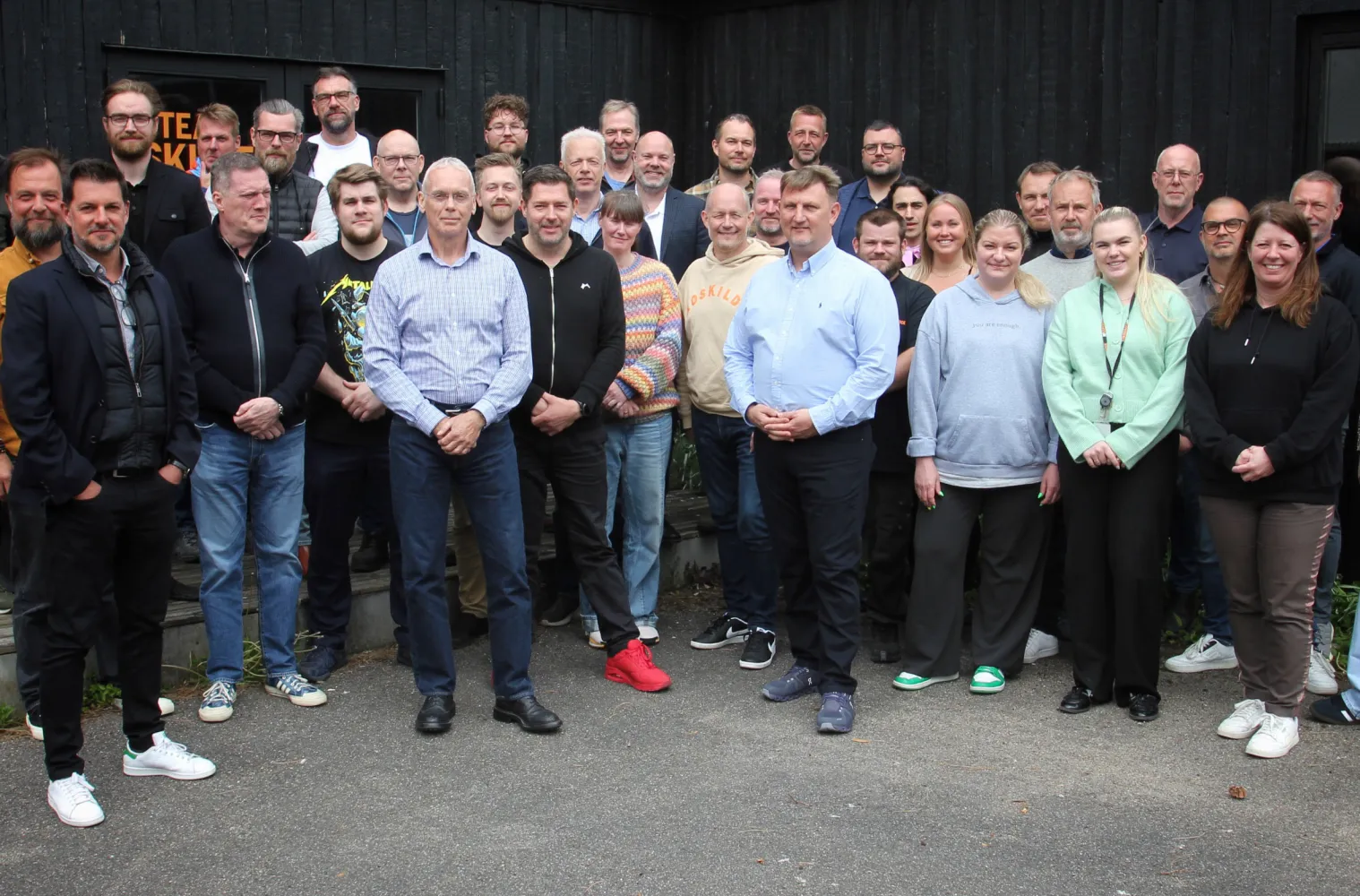
Roskilde Festival has hosted two courses
Key aspects of the one-day course include the importance of having competent individuals in critical roles, the need for robust event-specific procedures, the legal , and moral responsibilities of event organisers, and the standardisation of emergency management practices to ensure better preparedness and risk mitigation.
Says Allen, “We bring the benefit of academic knowledge underpinned by extensive global practical experience, which includes having first-hand experience of implementing multiple showstops worldwide for a wide range of issues from crowd related incident’s through to weather. This course provides participants with a robust framework from which they can critique and update existing showstop procedures across all the fundamentals of planning, roles and responsibilities utilisation of competent staff, decision making and implementation.”
Future plans of the Pink Bows Foundation, include extending the course’s reach to other locations across the US, Europe, Middle East and the UK. Discussions are also ongoing for Pink Bows Foundation to run the Showstop Procedure course ahead of both the Event Safety Alliance and Event Safety Alliance Canada conferences in 2025.
Other organisations to support the course include the Global Crowd Management Alliance and the United Kingdom Crowd Management Association, with the latter looking to include it in the organisation’s 2026 annual conference.
Allen says it has not been hard to convince people to adopt the procedure: “As soon as you start explaining why it is needed, it’s a lightbulb moment, they get it instantly.
Morally, no one wants anyone to get hurt; legally there are obligations within the likes of the Health & Safety at Work Act, Licensing Act, Fire Safety Order, Duty of Care and the incoming Martin’s Law in the UK, and the third key consideration is the financial ramifications if something goes wrong.
Damage to brand reputation, additional costs for PR for crisis management and expert witnesses, legal fees, insurance premiums going up, loss of revenue, the venue being shut down, public perception… the list is endless.”
For the full article see the Summer edition of Access All Areas here.