

 Christopher Barrett
On the back of a year that saw Norway’s Øya Festival on the receiving end of boycotts and protests, its new CEO Henry Leeves discusses how he is developing the event’s delivery while building resilience against attacks on its democratic values.
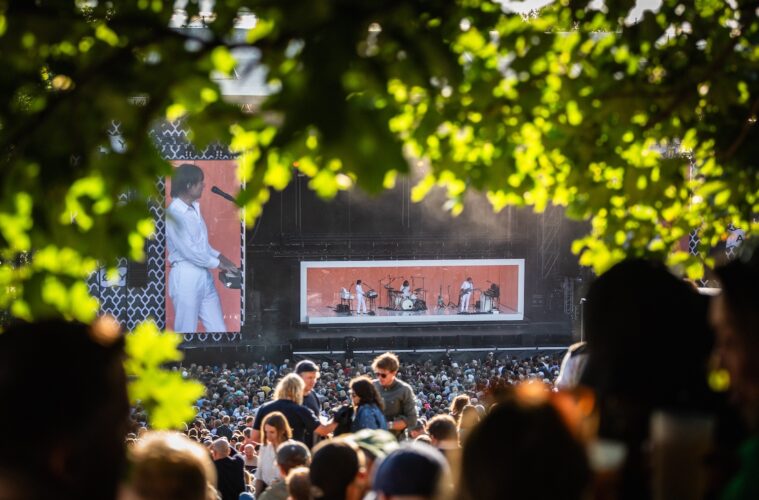
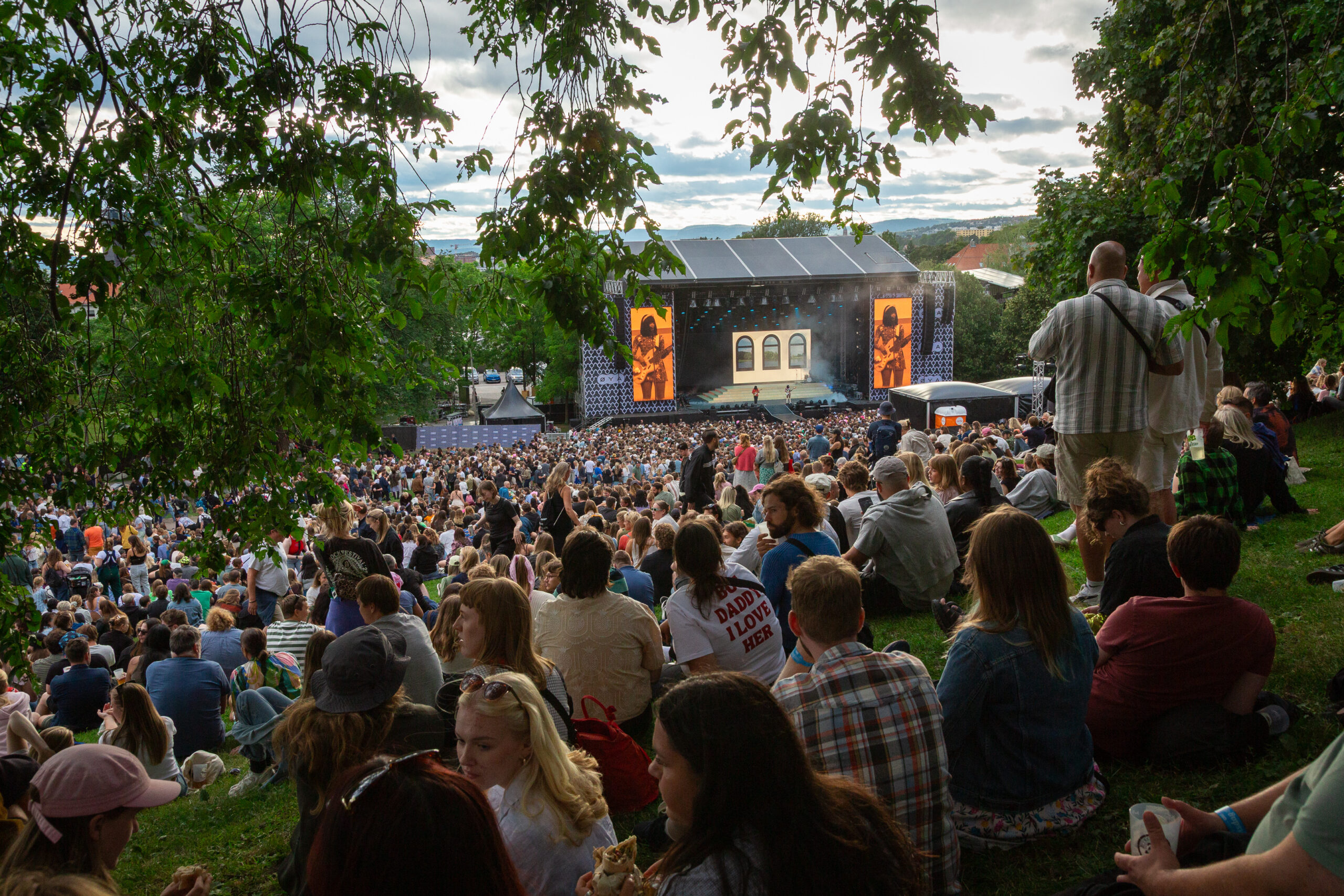
The 20,000-capacity Øya Festival has, since it was founded in 1999, grown to become something of an institution in Norway, and a cornerstone of the European festival industry.
Øya has won countless awards for its sustainability efforts, and has a long history of providing a platform for free speech. However, last year its team found themselves facing a series of protests and boycotts.
The Oslo-based event was bought by Superstruct Entertainment in 2018, which was acquired by KKR in 2024. Despite Superstruct making it clear it is run autonomously, KKR’s links to Israel led to many Superstruct-owned festivals, including Øya, facing pressure from pro-Palestine groups last year.
Having taken over as Øya’s CEO in October, Henry Leeves is focused on taking the event forward, while learning from the past. Among his plans are to diversify the entertainment offering, invest in creative stage designs and enhance sustainability efforts.
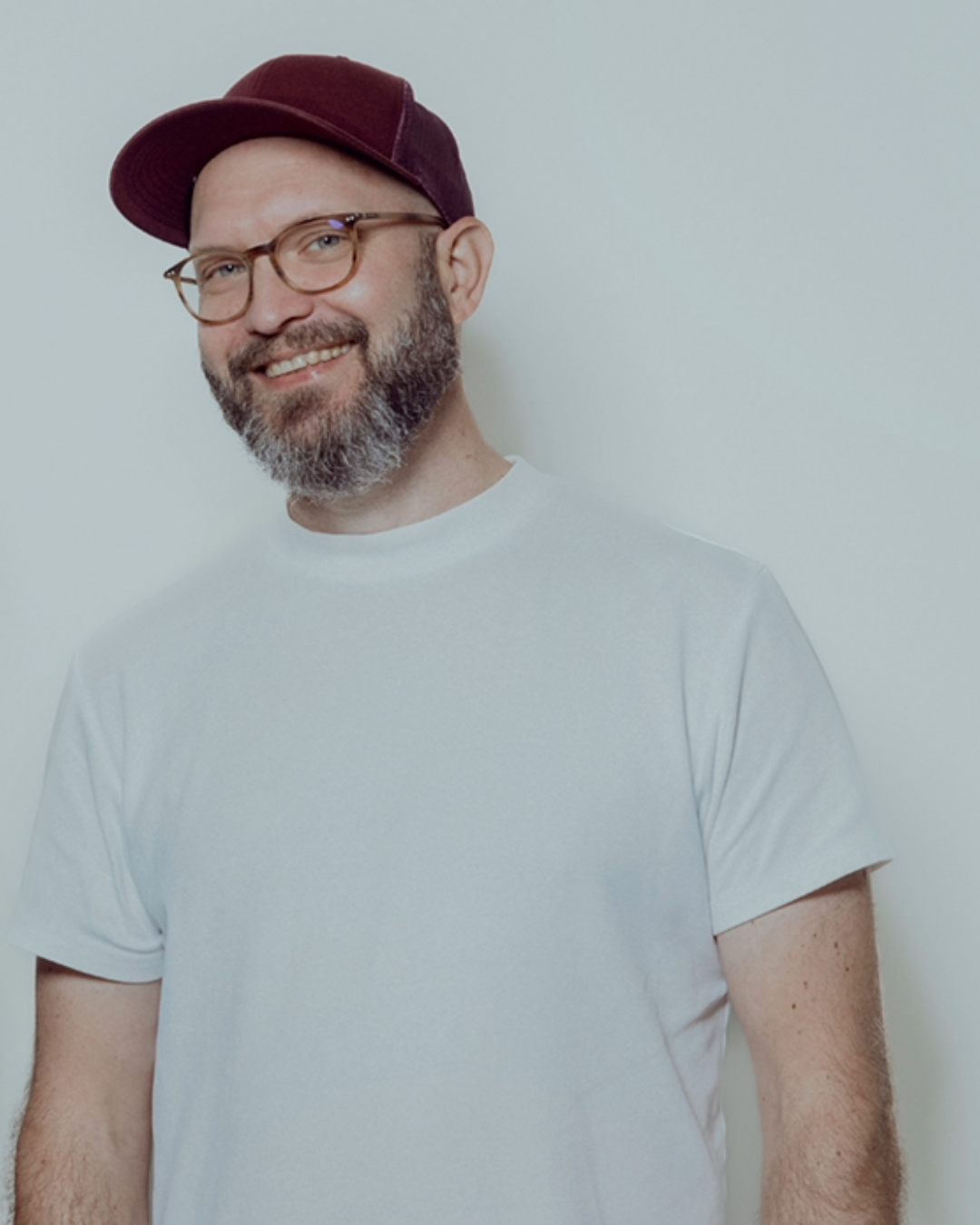
Henry Leeves
You were appointed CEO in October, having originally started out as a volunteer at the event. It must be satisfying to have come full circle?
Yes, it really does. I started out volunteering at Øya years ago, so to come back in this role feels very good. I have a strong connection to the organisation and the people behind it. Back in 2001–2002 the festival was already well established in Norway. It was well known as somewhere you could see new music that you wouldn’t see elsewhere. We didn’t travel internationally in the same way back then, so having that access here was special. Øya was never about the biggest names, it was about the complete programme, and that’s remained central.
How relevant is that ethos today, particularly with younger audiences?
I think it’s more relevant than ever. With AI, constant noise and very artificial online communities, younger audiences are actively looking for authenticity. They want something real. That’s what Øya is all about, especially in programming; a strong, credible roster that people trust, even if they don’t know every name.
The last year proved a challenging one for many festivals across Europe, particularly around political pressures, and public scrutiny. How has Øya navigated that?
Last year was rough. Values are under pressure everywhere, not just in festivals but all over Europe. We need to build more resilience against attacks on solidarity and democratic values. What matters is being clear about who you are and standing by that. Our audience understands our values, and that showed in strong ticket sales last year, and we are seeing great sales for this year. For our artists and attendees, Øya is a place where they can express themselves freely. The festival is like a small exhibition of what democracy is.
“We need to build more resilience against attacks on solidarity and democratic values.”
Do you think the industry is learning how to deal with backlashes and fast-moving criticism more effectively?
Festivals have always dealt with extreme pressure; we build temporary cities in days. This is another challenge we must adapt to. I think guidelines and best practice will be developed but we need to do something right now, so we’re working with partners who are helping us better understand communication dynamics and how to respond clearly and constructively to emphasise our values.
You have worked in many roles on festivals, including rigging. How does that broad experience inform your leadership?
It’s hugely valuable. I always start by spending time with the site crew because that tells you a lot about a festival. You only get one chance each year, and having experienced different roles helps you anticipate problems and make better decisions. It also keeps leadership grounded in operational reality.
Do you see your role as evolving the festival rather than changing it outright?
Absolutely. This is already a very successful festival with people who’ve worked here for decades. I’m not here to disrupt that. But there are processes we can fine tune, and creatively there’s room to develop the experience further, particularly beyond a purely music-focused presentation.
What does that look like in practice?
Norwegian festivals are technically very strong across sound and lighting; the production quality is excellent. But visually, stages can be quite functional. I’d like to see more art, stronger stage identities and a clearer sense of place, while remaining practical and sustainable.
How are changing attendance patterns affecting planning?
Single-day attendance is increasing, which creates financial risk if one day underperforms. That makes the overall programme even more important. If audiences engage with the full lineup, they’re more likely to commit to multi-day or full festival passes.
Cost pressures remain a major issue post-pandemic. Is that stabilising?
Costs can’t continue rising the way they have. Production, staffing and artist fees have increased dramatically over the past five years. We’re fortunate to have long-term supplier relationships, but profitability has been hit and we now need to increase revenue without further cost escalation.
How does sustainability fit into that commercial reality?
Sustainability isn’t about big gestures anymore, it’s about optimisation. Local sourcing, waste reduction, reuse systems, these save money and reduce impact. We’re constantly tuning rather than reinventing, and that’s where meaningful progress now happens.
Finally, what are you most looking forward to at this year’s event?
Being on site just before doors open. Everything built in a week, everyone ready, and then watching the audience arrive. That moment, when the whole operation comes together, is still the most rewarding part of the job.