

 Christopher Barrett
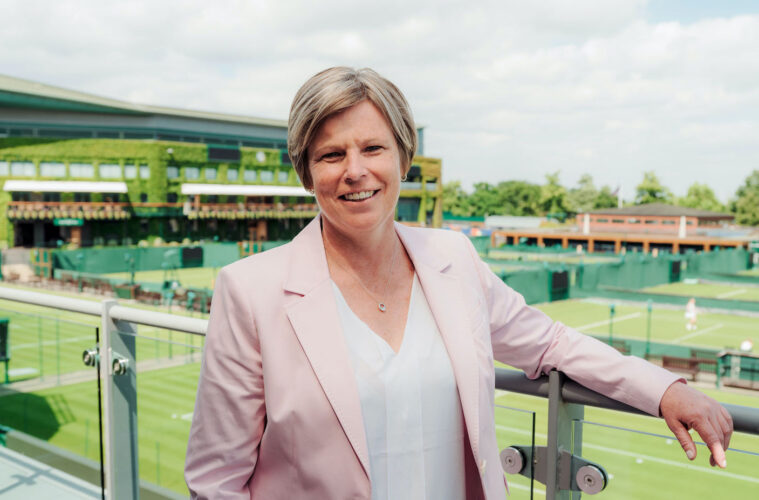
Wimbledon operations director Michelle Dite outlines how a balance is being struck between preserving the Championships’ heritage while embracing new tech and sustainability measures that enhance the guest experience.
Among Britain’s few truly iconic summer sporting events, The Championships has long placed SW19 firmly in the international spotlight as the global media focuses on the grass court endeavours of tennis’ elite at the world’s oldest and most prestigious tennis tournament.
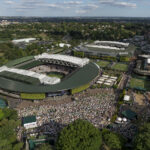
Over a period of ten weeks from April onwards, the All England Lawn Tennis Club (AELTC) is transformed each year by some of the event industry’s most respected suppliers and skilled workforce in preparation for the Grand Slam event’s opening.
From the beautifully prepared courts and stunning floral decorations, the countless food and beverage offerings and impressively presented retail outlets, to luxurious hospitality areas and player facilities, the event’s workforce and suppliers work tirelessly to create a truly outstanding environment for the 42,00 people who visit each day.
“Working on Wimbledon is one of life’s privileges.”
An integral element of that transformation is the extensive temporary overlay created and installed for the event with an eye for detail that sees them blend seamlessly into the permanent infrastructure.
Just two years away from reaching its 150th anniversary, The Championships has a remarkable history and legacy but keeps a close eye on the future.
For Michelle Dite, operations director of the quintessential English summer institution, part of the challenge is the careful balancing of tradition and a long-established brand with technological innovation. Among the new tech used this year was the much-publicised rollout of live electronic line calling on all courts. Another first was the permanent installation of ‘frictionless’ technology in the Walled Garden Larder F&B area which tracks guests as they move through the concession so that they are not required to visit a till on exit.
“We keep pace with changing technology but make sure we do it in a very authentic Wimbledon way,” says Dite. “The frictionless project is really exciting; the aim is to increase efficiency, productivity and reduce queuing. We’ve been working with Compass and the wider Levy team to understand what solutions exist and learn from other projects that operate in similar entertainment and sporting venues. Working with E15, a data and insights partner, they reviewed all our public spaces to compare transaction data and how long it was taking for people to get served. They produced a detailed report outlining all the things that technology could help with and flagged operational considerations that tech couldn’t solve. There were some interesting non-technological outputs from their research, as well as everything that technology could do to assist.”
Due for completion in 2027, the multi-million-pound Millenium Building project saw a new-look Players’ Restaurant and an expanded player warm-up area unveiled this year. Dite says the AELTC will be reviewing the success of the frictionless tech and where relevant this could add value to the new facility.
“We keep pace with changing technology but make sure we do it in a very authentic Wimbledon way.”
“We are looking very closely at our F&B offer across all of our Guest Groups to assess the role of frictionless technology now that we can see the positive results,” says Dite.“It is easier from a long-term investment point to put in permanent infrastructure which will always be supported by our amazing guest services team, we’re not getting rid of any of that, this is to complement the human support, which remains really important.”
Not just the ticket
Another recent development is providing guests with the option of joining a virtual ticket re-sale queue, via the Wimbledon app, who receive SMS notifications when it’s their turn to purchase tickets. Dite says the system has streamlined the ticket purchasing process and improved operational efficiency: “It has meant that from a guest experience perspective, you can go and enjoy your day rather than queuing for many hours at a unit waiting for it to open at 3pm. It has worked really well and we have learned a lot since we first used it in 2024. We will continue to evolve the ticket resale process with the aim of prioritising access for those who have committed to the queue over the road.
“If you are a ticket holder, or queuing for resale, we can share information about preparing for the day or making the wait in the queue fun and engaging. The ticketing tech is a great step forward, and we are working closely with our technology teams to keep enhancing all these things.”
Another key focus for the AELTC team is its commitment to the environment. Measures already taken include the use of renewable electricity to power operations, the installation of LED lights, the use of hybrid and electric vehicles, electric buggies for the transportation of guests, installation of solar panels, a move away from generators to grid power, low carbon options being highlighted on menus, the removal of red meat from some menus and the promotion of plant-based dishes. As part of the Millennium Building project the removal of gas from kitchens has also been carried out, while Championships partner Evian has worked with the team to reduce the use of single-use plastic.
-
- Credit: AELTC/Thomas Lovelock.
-
- Credit: AELTC/Joe Toth.
Partners in progress
Dite says the operations team is working year-around to evolve all the permanent areas across the site to improve their efficiencies, and sustainability is at the core of the conversation when it comes to working with suppliers on the installation of temporary structures and overlay programmes: “It is now part of the agreements we have with all partners, so we’ve got a greater understanding of their impact through enhanced reporting.
“It’s been three years in the making with a number of key suppliers, and what’s brilliant is that these suppliers have found their rhythm of working together. We simply couldn’t do what we do without them, they’re an absolute joy to work with. They’ve invested in how we work, and we’ve invested in how they work, to bring the best out of both parties.”
She says that the operations team has benefited from the perspective and input of suppliers who have gained a global perspective of the international major events landscape: “They are involved in other huge events around the world and come back to us with ideas. We’re always trying to innovate. The great thing about the Championships is it’s 14 days. It’s a long, hard, 14 days but it means that every day we can address challenges and explore new ideas to benefit the following day’s event. We’re always thinking about how to evolve for the future. You only get one chance to look at these things in action. It takes a lot of energy from everyone working very hard together but its hugely enjoyable.”
Looking to the future, Dite says the redevelopment of The Hill, which will see its capacity increased by 20% to 3,500, will deliver a positive impact to one of the key public destinations at The Championships. Not only will it enable a larger number of guests to enjoy the large screen action it will also provide greater accessibility for wheelchair users to The Hill’s various tiers including the Orchard and Pergola areas situated at the top.
“We are reviewing data on crowd flow and experience of The Hill from this year’s tournament and that is informing the work that will come into play,” says Dite. “When it is finished for the 2027 Championships it will be a real game changer.
“Working on Wimbledon is one of life’s privileges. We’re not in control of the weather, we’re not in control of the tennis dynamics, but we are in total control of providing the very best guest experience for everybody. That’s what I wake up thinking about.”
This article is included in the latest edition of Access All Areas magazine, available here.