

 Christopher Barrett
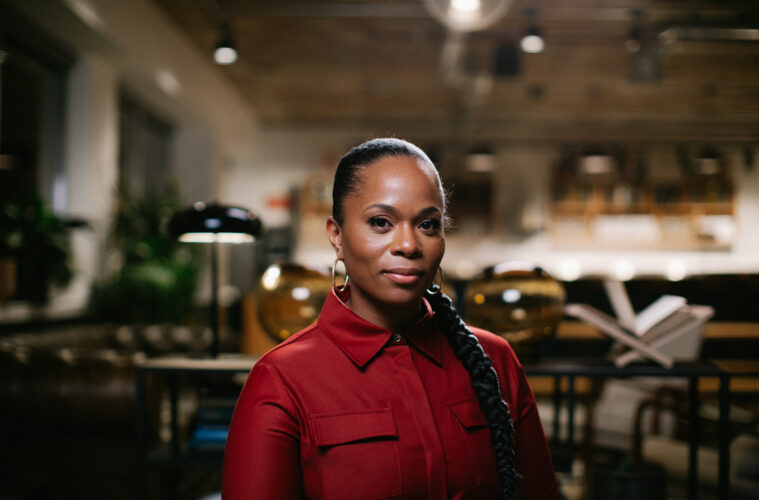
Black Lives in Music CEO Dr. Charisse Beaumont outlines the barriers facing Black, Asian and ethnic minority promoters, and what her organisation is doing to remove them.
Across the UK, events organised by Black and Brown communities are frequently cancelled without evidence or transparency, often at the last minute. This reflects long-standing discriminatory practices within licensing. After Black Lives in Music (BLiM) and Musician’s Union (MU) petitioned London’s Mayor Sadiq Khan with their concerns about the lack of inclusivity in the live music industry, a working group was established in response. Now BLiM, in collaboration with the Greater London Authority (GLA), the Mayor’s Office for Policing and Crime (MOPAC), and the MU, is investigating the effects of these licensing policies on ethnically diverse music events.
The Licensing Act of 2003 was introduced to promote a more relaxed drinking culture by eliminating set operating hours. However, this also shifted regulatory powers from magistrates to local authorities working in partnership with the police, leaving licence holders with increased responsibility for policing their venues. This shift has created additional risks for smaller operators.
Licences are often refused based on four core objectives: prevent crime and disorder, promote public safety, prevent public nuisance, and protection of children from harm. Research by BLiM has shown that Black and ethnically diverse promoters are disproportionately impacted, with their events targeted by over-policing tactics. These tactics, including the sharing of “gang lists” and informal and often verbal warnings to venues, lead to cancellations in the absence of clear evidence. Venue operators, fearing the loss of their licences, often feel pressured to cancel events.
Bias in licensing decisions
Music events featuring genres such as reggae and dancehall are more frequently met with objections compared to multi-genre events. Black cultural venues in particular often struggle to secure extended operating hours, while nearby pubs remain open, sometimes offering similar music. There are cases where a large venue called an artist to cancel at the last minute in fear of losing their licence after an internet search revealed they play hip-hop. This disparity reveals how racial bias continues to affect who gets to participate in the night-time economy.
The barriers faced by Black, Asian and ethnic minority promoters and other entrepreneurs prevent them from fully contributing to the culture and economic growth of the night-time economy, stifling their opportunities for success.
Addressing the issues
Smaller promoters are at a disadvantage compared to larger organisations like AEG or Live Nation, even when showcasing top-tier talent. Events like Bollywood nights have been shut down for extended periods, with authorities citing vague safety concerns. These unfounded objections often mask a deeper racial bias in decision-making.
The Race Equality in Music Events Licensing (REMEL) project, launched by BLiM in collaboration with GLA, UK Music, and the Metropolitan Police, seeks to tackle these disparities head-on using best practices from across the world. REMEL’s goal is to develop a transparent and equitable licensing model through a data-led, evidence-based approach that ensures equitable treatment across all aspects of the music .
Moving Towards Fairness in Licensing
Although issues of miscommunication and inconsistency between authorities and venues persist, some boroughs, such as Islington and Lambeth, offer positive examples of how inclusive licensing can work. These successes demonstrate that fair and transparent practices are possible. By working with REMEL, London’s night-time economy can become more inclusive and better support the diverse communities that enrich it.
THIS ARTICLE IS INCLUDED IN THE AUTUMN EDITION OF ACCESS ALL AREAS – AVAILABLE HERE