

 Max Steventon
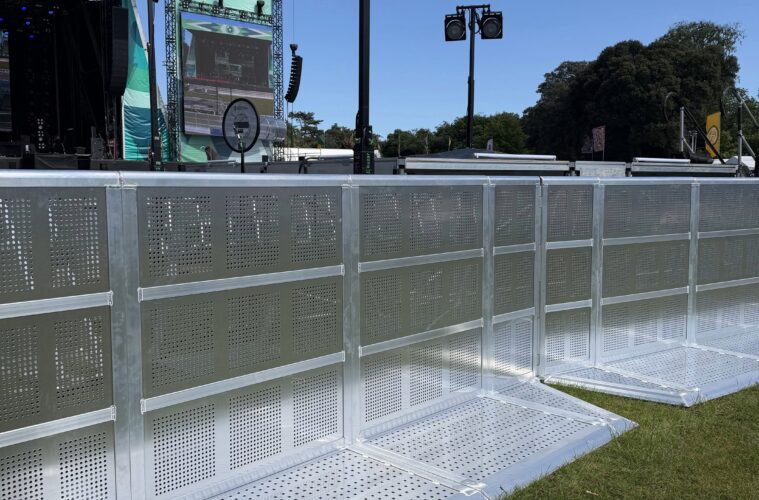
Dutch Barrier Services has reduced the certified carbon footprint of the aluminium used in its crowd safety barriers by a further 35%, bringing the overall figure to 3.8kg of CO₂ per kilogram of aluminium.
The company said the reduction has been achieved through sourcing certified aluminium from Speira and Hydro.
Dutch Barrier Services was established in 2022, with sustainability incorporated into its product development and manufacturing processes. Its manufacturing partner initially used recycled aluminium before moving towards materials with lower carbon footprints.
Since 2025, Speira has supplied the company with RIVOS aluminium sheet material, which contains a significant proportion of recycled aluminium and is produced using electricity generated from hydropower.
The material has a certified carbon footprint of no more than 4kg of CO₂ per kilogram of aluminium, compared with 10-22kg per kilogram for traditional aluminium production, according to Dutch Barrier Services.
Waste generated during barrier production, including off-cuts and punched sections, is returned to Speira to be remelted and used in new sheet material.
The company’s manufacturing plant is located alongside its head office in the Netherlands, which it said reduces transportation requirements and supports collaboration on product research, design and development.
Dutch Barrier Services CEO Cees Muurling said, “Together with our manufacturing partner we have painstakingly researched and sourced the most environmentally friendly aluminium, with a low CO₂ footprint, to create the most sustainable front-of-stage crowd barriers. It’s so important to us that we minimise the environmental impact of our activities on the planet and support like-minded clients in their effort to produce sustainable events.
“The official certifications validate our efforts, validating that we source responsibly manufactured aluminium for Dutch Barrier Services. I’m proud to work with our manufacturing partner and innovative aluminium suppliers, each on their own journeys to transition towards net-zero.”