

 Christopher Barrett
To mark the 20th anniversary of Latitude Festival’s arrival, its founder Melvin Benn and arts programmer Kirsty Taylor outline its ongoing evolution, and the artists, staff and suppliers who have played key roles in helping to bring the unique event to life
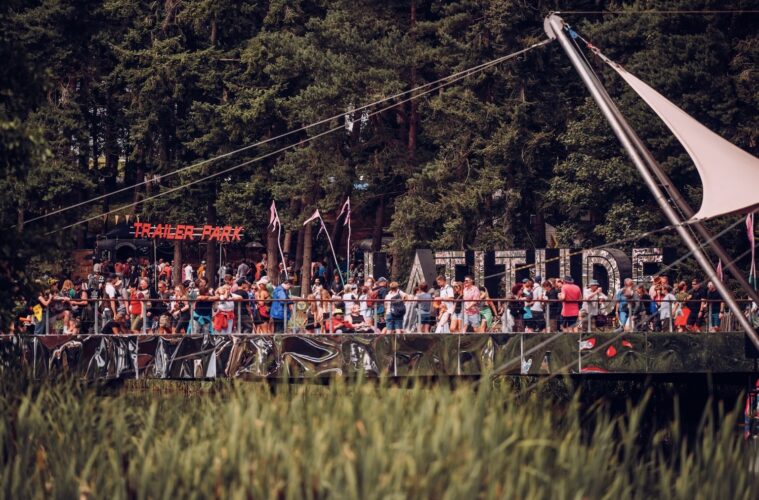
Undoubtedly one of the most beautiful settings of any UK festival, Suffolk’s Henham Park has provided a remarkable canvass of creativity for the creators of Latitude Festival since the outset.
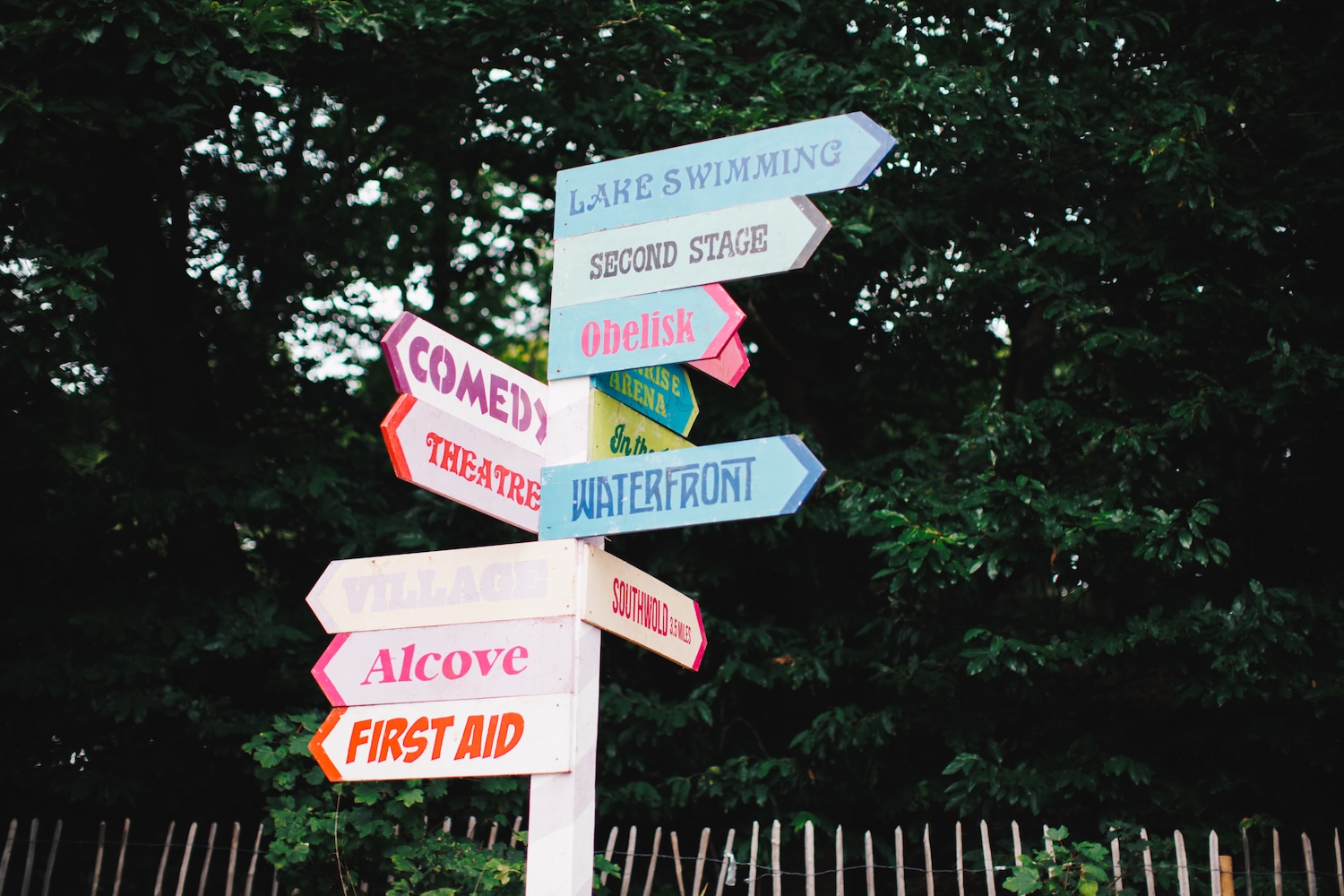
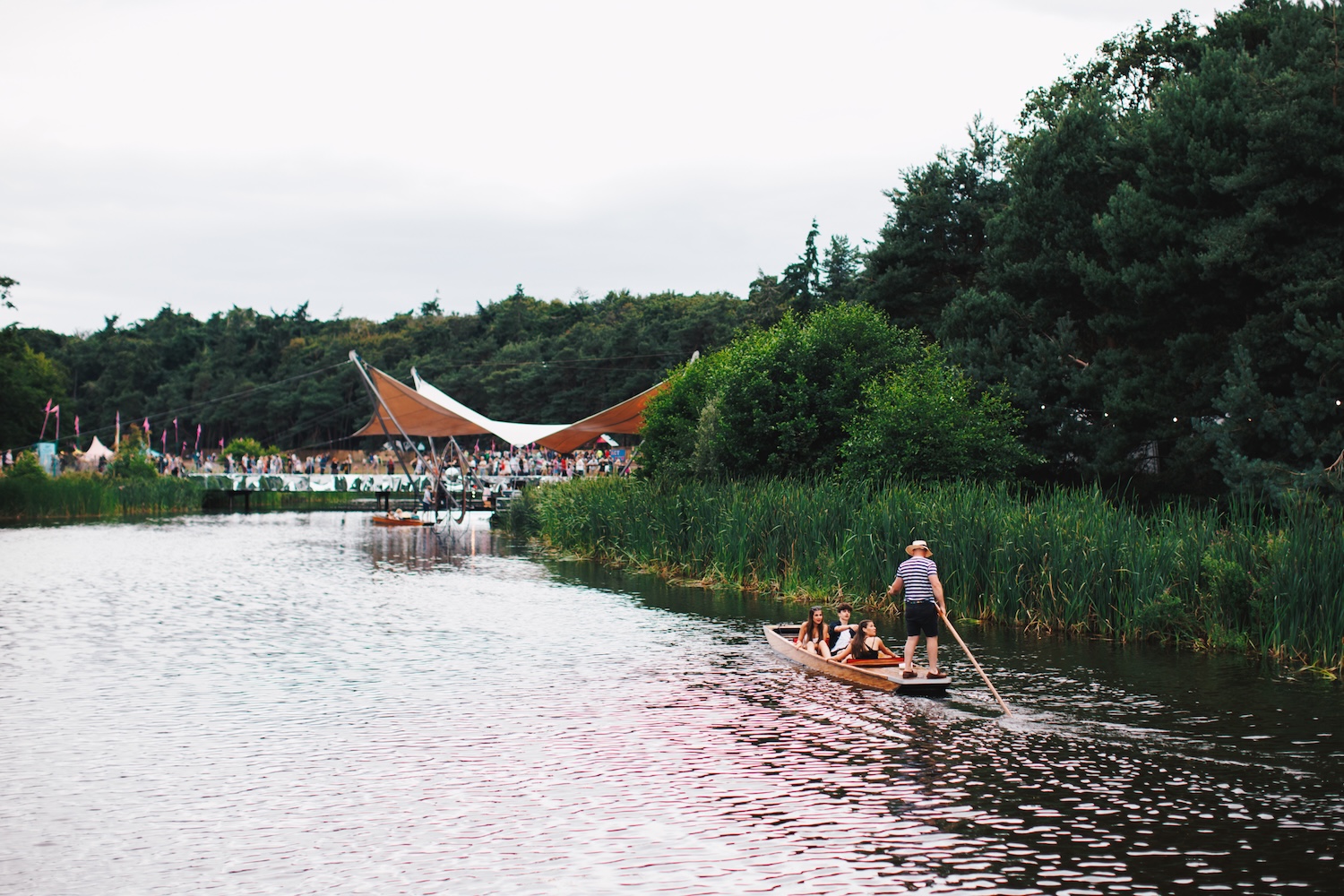
While the neon pink sheep graze by the banks of the lake, you might see a world-renowned artist glide past on a gondola on their way to perform at the Waterfront Stage. Turn into the woods framing the lake and you will find the leafy canopy playing home to a host of multi-art performance spaces and stages, such as the Sunrise Arena, The Alcove, The Lavish Lounge and Trailer Park.
Melvin Benn
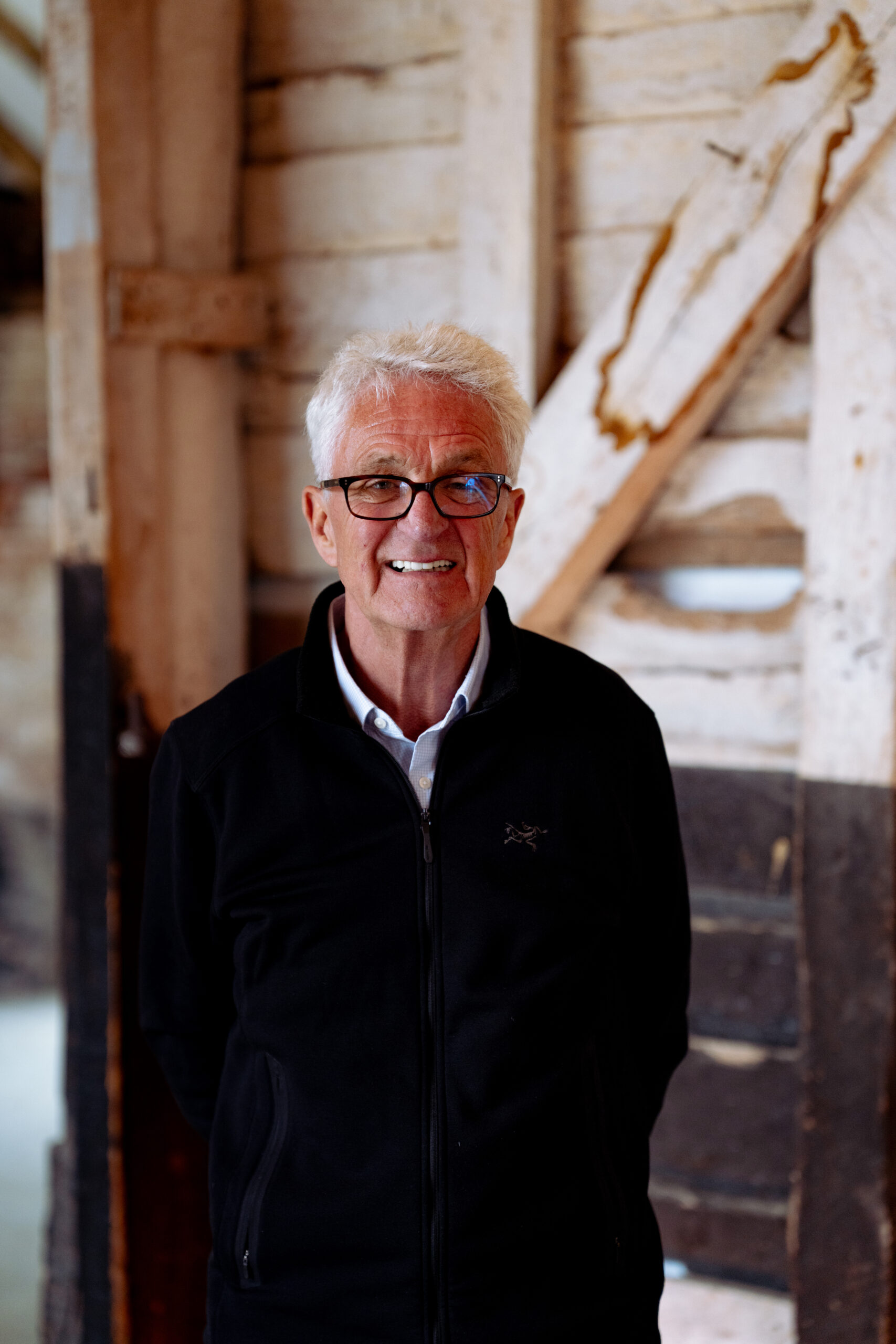
It is a long way from the usual flat and open greenfield festival site, and that’s why Festival Republic MD Melvin Benn fell in love with it.
He says, “I sent a site manager down to take a look at it and he came back and said, ‘It’s beautiful, it would be absolutely perfect but it’s got a lake and a wooded area in the middle of it’. I said, ‘That could be just what I’m looking for’. While it might not have suited a regular music festival environment, what I had in mind with Latitude was something more serene.
“We considered the design and layout of the festival really carefully. Traditionally, at camping festivals, the first thing you see when entering the site is the music stages. I wanted to flip that on its head so that the first thing you saw at Latitude would be the Waterfront Stage, the literature tent, or the poetry tent. So that your visual and cultural arrival into Latitude wasn’t the music.
“There has never been a festival like Latitude that really put arts and culture at the heart of it.”
“The music headliners were the most important aspect, of course, in terms of drawing people to the event, but your cultural arrival into this festival was literature, poetry and modern dance, and that sets the tone. The place that you have to walk furthest to is the main music stage, the Obelisk Arena. There has never been a festival like Latitude that really put arts and culture at the heart of it or has combined it with live music in the same way.”
The art of launching Latitude
“Latitude was the first new festival I launched after becoming part of Live Nation. It was a strong step for Live Nation to take because it was a really different setup to a regular music festival, but Dennis Desmond [UK & Ireland chairman] and Paul Latham [former international COO] were very supportive.”
While you will find poetry at The Listening Post, literary luminaries at The Bookshop and science explored in The Cosmic Shambles area, one of the biggest non-music stages at Latitude is the Comedy Arena; which this year has a huge bill led by no less than six headliners; Jack Dee, Jen Brister, Ross Noble, Sue Perkins, Sara Pascoe and a UK festival exclusive from Sir Lenny Henry — his first return to stand-up in 17 years. Among the regulars will be Marcus Brigstocke, who has performed at every Latitude Festival since 2006.
Key to the inclusion of comedy at Latitude from the outset was the event’s former creative director Tania Harrison.
“She came over to Live Nation with me, as part of Mean Fiddler,” says Benn. “She was the one that really cracked the beginning of the comedy stage, which is now the biggest outdoor comedy stage in Britain. Outside of the Edinburgh Festival I think Latitude is the most important comedy stage that there is.”
While the numerous art forms are key ingredients in Latitude’s success, contemporary music remains the biggest ticket-selling driver. This year will see David Byrne play a UK festival exclusive headline slot, he is to be joined by Lewis Capaldi and Teddy Swims, with Everything Everything opening the coveted Sunday slot on the Obelisk Arena. It will be a full-circle moment for the Manchester-based band, with them having first played the festival in 2011 as a rising act way down the bill.
Waxing lyrical
At the outset, Latitude’s music offering was curated by promoter Jon Dunn, who Benn has the utmost respect for. “Jon finds more new bands than anybody else in this country, he is extraordinary,” says the longstanding Festival Republic boss. “Jon got my vision for what Latitude should be from a musical point of view. I wanted it to reflect the quality of Nick Drake, for it to be about songwriters. We’ve been true to that tradition ever since.”
Benn says that while there have been countless music highlights over the past two decades in Henham Park, the band that deserves the most credit is Snow Patrol.
“Snow Patrol is the single most important act to Latitude because they were the first music headliner to confirm,” he says. “Until you have your first confirmation, you haven’t got a festival. They’re a big band but they took a chance on me. I had explained the concept to their agent Steve Strange, who trusted me, and he persuaded the band to do it.”
The inaugural Latitude also featured headliners Mogwai and Antony and the Johnsons at the Obelisk Arena, while others to perform included The Zutons, The Lemonheads, Patti Smith and Paolo Nutini.
Over the years since, there have been no shortage of standout musical moments at the 45,000-capacity event, and among the first to spring to mind for Benn are performances by the Damon Albarn-led supergroup Good The Bad & The Queen, Bon Iver and Ed Sheeran.
“Ed had played multiple nights at Wembley Stadium and the following week he came and played the Sunrise Stage at Latitude, because that’s what he dreamt about playing when he was a kid,” says Benn.
On that same stage that year, Thom York played a Sunday lunchtime slot with a solo performance on the piano. “I think it might be the only ever impromptu solo Thom York performance,” says Benn. “He brought his own piano from his front room to perform on it.”
With the Latitude offering reflecting Benn’s broad taste that reaches way beyond contemporary music, among the many other festival highlights for the promoter was the arrival of celebrated Chinese classical pianist Lang Lang to the Waterfront Stage on a gondola.
“I wanted to put world-class international classical artists, who would ordinarily only play the Albert Hall or the Royal Festival Hall, at Latitude. I wanted them to be in a festival field, and I wanted them to be available to the Latitude audience, which had demonstrated to me that that’s who they also wanted to see.”
A world of discovery
Kirsty Taylor, Latitude’s arts curator, is responsible for programming arts performances, comedy, spoken word, theatre and dance at the event. She started working on Latitude in 2014 as an assistant to Harrison, who had worked with Benn to launch the festival 20 years ago. She played a key role in bringing the likes of theatre and literature successfully to life in the fields of Henham Park alongside the contemporary music.
In 2019, Taylor took over from Harrison and has since been instrumental in programming one of the broadest arts offerings of any festival anywhere. It was that breadth of offering, established by Harrison, that encouraged Taylor to veer off her career path in publishing and into the Suffolk fields.
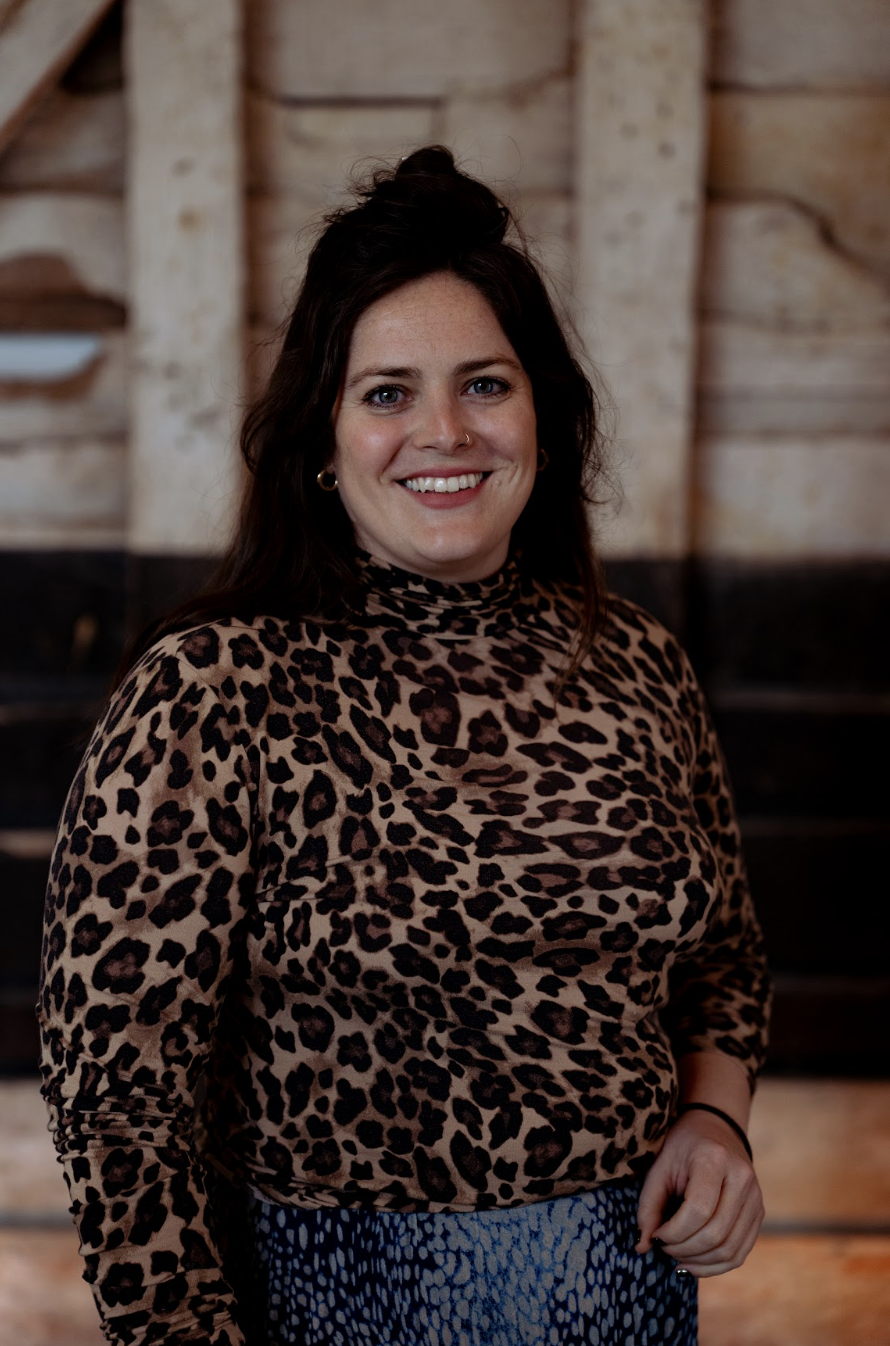
Kirsty Taylor
“I read an interview with Tania about the festival and realised it was an event that involved staging everything I like in one place,” she says. “I may have never been down the front of a gig, but I go to the theatre, I go to comedy, I love to read, and so I thought ‘this is a festival for me’.”
Among the many things Taylor is looking forward to bringing to life at this year’s Latitude Festival is the first Debut Fiction series. Hosted by Red Magazine’s literary editor Sarah Gwonyoma, the series spotlights seven new authors and their literary debuts on the Bookshop stage.
“With my background having been in publishing, it feels personally like a full circle moment,” she says. “Debut fiction is a really hard thing to place as publishers and publicists, so it’s incredible to have the confidence in our audience to know there will be an audience for it. It feels like a real privilege, there’s some amazing writing in there.”
The 20th anniversary edition will also see the return of poetry to Latitude, with Luke Wright; a performance poet who has been at every Latitude and curated and hosted the poetry tent for many years.
“For a long time, Latitude was the biggest gathering of poets outside of Hay,” says Taylor. “Over time the spaces and the offerings change to make room for emerging talent and mediums. In my first year with Latitude Melvin asked, ‘Is there anything you want to do that’s new for the festival? So I said, ‘We should put in a podcast stage’. At the time live podcasts were really just becoming a thing. Fundamental to the lineup on all the art stages is the idea that Latitude is a place where we allow people to discover new things.”
Comedy has been a major element of the festival’s offering since the outset but in 2021 it reached the hallowed turf of the Obelisk Arena, where Bill Bailey played the event’s main stage.
“I was on the FOH tower, waiting at midday on the Sunday wondering if anyone was going to come, and of course they did – the field filled up completely,” says Taylor. “Comedy reached a critical mass, in terms of size, long before I started working at the festival and it’s just stayed at that high level ever since.”
“There are years, such as this year for the 20th anniversary, where we try to make the comedy lineup really special. Trying to do that, at a festival that in the past has regularly had one of the best comedy lineups in the country, is never easy,” says Taylor.
While her focus covers pretty much everything outside of contemporary music at Latitude, there are partners responsible for their own zones. They include the Trailer Park, and the team responsible for the multi-stage Lavish Lounge Arena who have worked at the festival since its inception.
Having impressed with a hugely popular debut science offering last year, The Cosmic Shambles Forest of Science and Culture will return to Latitude this year. Independently curated by the team at The Cosmic Shambles Network, which includes comedian and broadcaster Robin Ince and director Trent Burton, at the core of the Cosmic Shambles Forest will be The Apollo stage. It is set to host a programme of live talks, podcasts, music, panels, performances, family content and late-night screenings.
Having snuck in last year to witness proceedings, Benn says he was both surprised and delighted by what he saw: “When I arrived there were four geologists on stage talking about different pieces of rock. The tent was completely full, and at the end they asked for questions. Hands went up left, right, and centre – everybody had a question about a particular rock. I thought, ‘This is incredible. We’re at a festival where we have got people wanting to watch Fat Boy Slim but also loving the fact that they’ve got somewhere to talk about rocks and stones’. It was so good. I thought, ‘Why haven’t we done this before? This has to be a permanent fixture from now on’.”
Post-pandemic liftoff
No festival proved immune from the impact of Covid-19, but with Benn having spent the pandemic period relentlessly lobbying government to support the industry, and being instrumental in the Events Research Programme, it was doubtless well deserved that Latitude became the first full capacity festival to run after the Government lifted restrictions.
While the likes of Wolf Alice, Chemical Brothers and Bombay Bicycle Club lit up the main stage, the atmosphere throughout the festival was unlike any this writer has experienced. For Benn and his team, it was no less memorable.
“We’d done the first two test events in the world; one up at Liverpool’s Sefton Park headlined by Blossoms and a 10,000-capacity Download as a camping test event. I’d been given permission to do Latitude as a test event even if the restrictions hadn’t been lifted, which was remarkable because that was going to be 40,000 people.
“It didn’t make any difference in a way, because literally a week before the festival was due to run the government lifted their restrictions, and Latitude became the first full-size festival in the world to happen post Covid.
“It’s a highlight of my life; putting on those three events, they were so important. The event industry, in a wider sense, is populated by people who are doers, and all of my team are people that actively want to do things all of the time; they’re very proactive people. Covid stopped their proactivity, and it didn’t just stop their work, it stopped who they were. So for the Latitude team, staging that event and seeing it come to life for attendees and artists brought unbridled joy.”
Team players
Among the key members of the current Latitude team is lead talent booker Ed Lilo. He took over from Lucy Wood who had followed in the footsteps of Dunn.
Sharon Reuben has been curating Latitude’s Family Programme since the inaugural event back in 2006. “That’s become such an important part of the festival, Sharon’s contribution to it from day one has been immense,” says Benn. “Adding a children’s area was really important to me. I didn’t set out to make it a family festival and it’s still not like Camp Bestival, which is clearly defined as a family festival, but it was always important to me that you could bring your kids to Latitude because I’d been bringing my kids to festivals from day one. I wanted to make it more enjoyable and easy for children to attend Latitude.
When it comes to handling production, Luke Cowdell is Latitude’s site and production manager, who has worked on the event since the start. Working alongside the events many key suppliers, he is responsible for helping to create the look and feel of Latitude.
“Let’s not beat about the bush, all the contractors had to do me huge favours on costs.”
“Let’s not beat about the bush, all the contractors had to do me huge favours on costs in that first year, because definitely not enough people turned up to meet the cost of putting on the festival by any means. Serious Stages is probably the most long standing, I started my relationship with them in 1989 at Reading Festival. They have been with me as my predominant stage builder ever since,” says Benn.
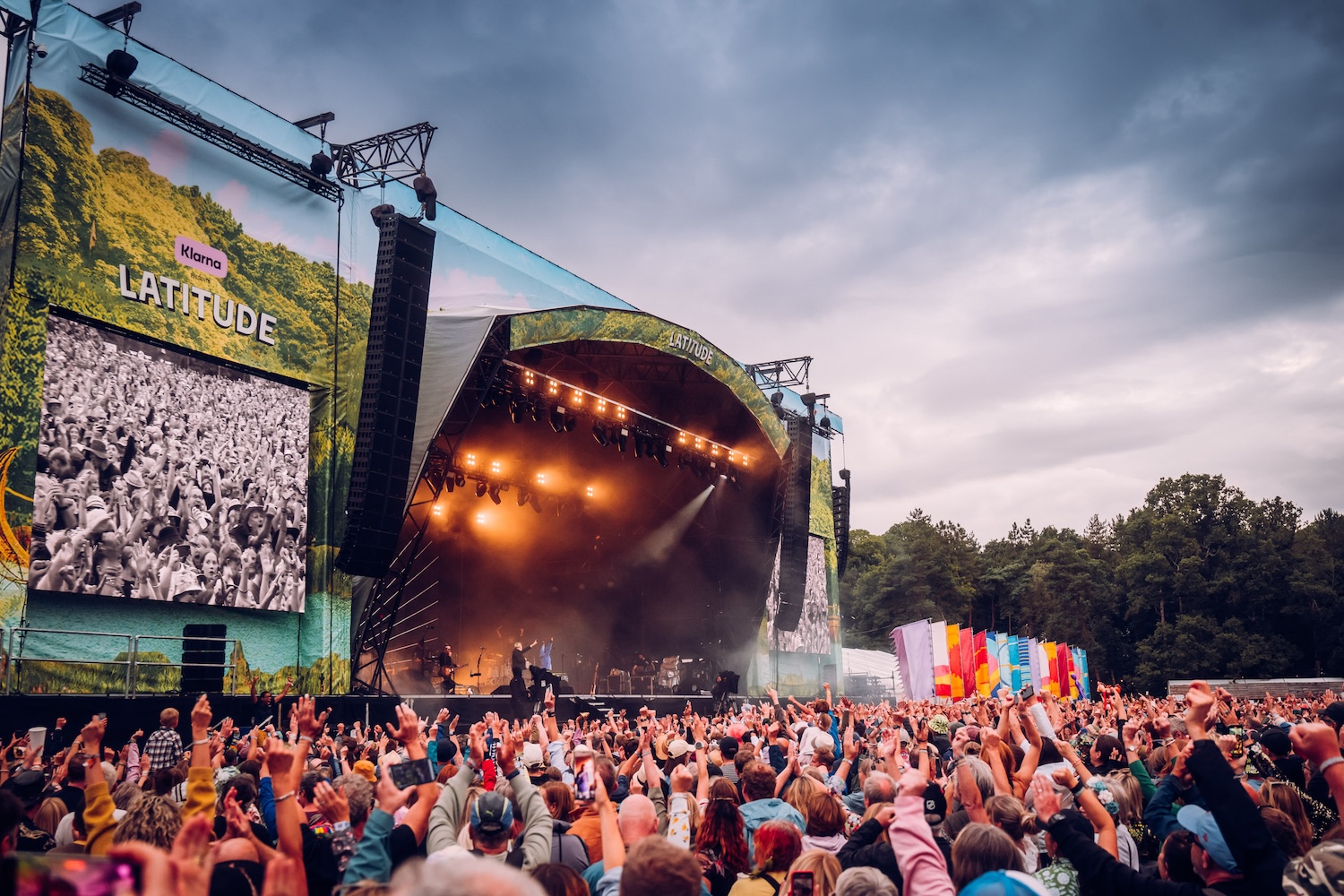
Serious Stages operation director Abbey Thomas says it has been a joy to work with the Festival Republic team to evolve and accentuate the festival landscape over the years. The biggest structure it provides is the Obelisk Arena stage using its 22m Supernova, with Latitude specific cladding, and 12m asteroid delay towers.
“Beyond that we’ve supported Festival Republic’s creative development across the festival with a wide range of stages, including the tented comedy and cooking demonstrations,” says Thomas. “We install a bridge over the lake to transport the audience into the Cosmic Shambles Forest of Science and Culture and Woodland Stage. Our crews build some quirky installations along with structures in the water to accommodate the uniqueness of the festival. These are relatively simple small structures, but, of course, we pay attention to make sure they’re all safe and suitable in their unusual settings for the audiences and performers.”
Says Benn, “Suppliers such as Serious, Siyan lighting, Colin Enos, and his son Phillip have been massively important to us from day one. Colour Sound Experiment’s Hayden Cruickshank has also contributed massively to making the look and feel of the Latitude site what it is today.”
“It’s amazing to watch these festivals grow and flourish year after year,” says International Mobile Stadiums director Phillip Enos. “Latitude is a special one to us as many of the structures there were purpose built for Melvin for Latitude.”
Among the others to play key roles in supporting Latitude’s 20-year journey have been Suffolk County Council, the local blue lights services, and Henham Park’s landowners the Rous family – who have cared for the estate since 1544.
“Hektor Rous owns the estate completely,” says Benn. “He has continued to support the festival, which is lovely.”
“I am very grateful to everyone who has been instrumental in making Latitude such a success, not least Dennis Desmond and Paul Latham who were really key to it because they were the ones that gave me the support in the very early days to create what was at the time a really challenging new concept within the Live Nation structure.”
This article features in the summer edition of Access All Areas magazine – read it here.