

 Christopher Barrett
A landmark summer event launch, Labyrinth on the Thames made a stunning debut at Greenwich’s Old Royal Naval College in August with six sold-out shows of electronic music. We Group CEO Nick Morgan, the event’s producer, outlines what was involved in bringing the event plans to life at the UNESCO World Heritage site.
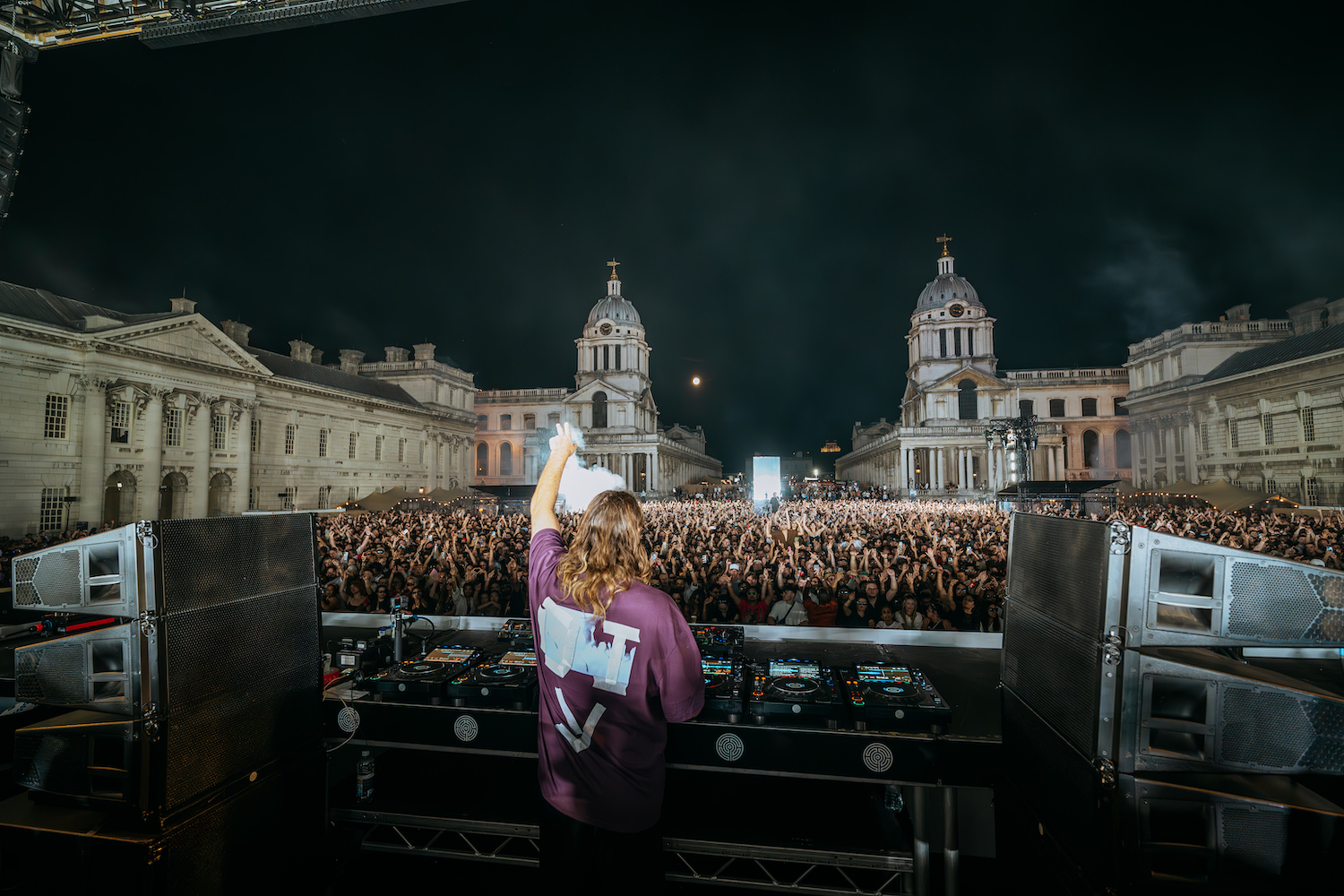
Co-founded by Nick Castleman and Michael Dicks, independent UK event promoter and producer Labyrinth had been planning to stage a series of outdoor live shows, between Sir Christopher Wren’s twin-domed riverside architectural masterpiece, for two-and-a-half years.
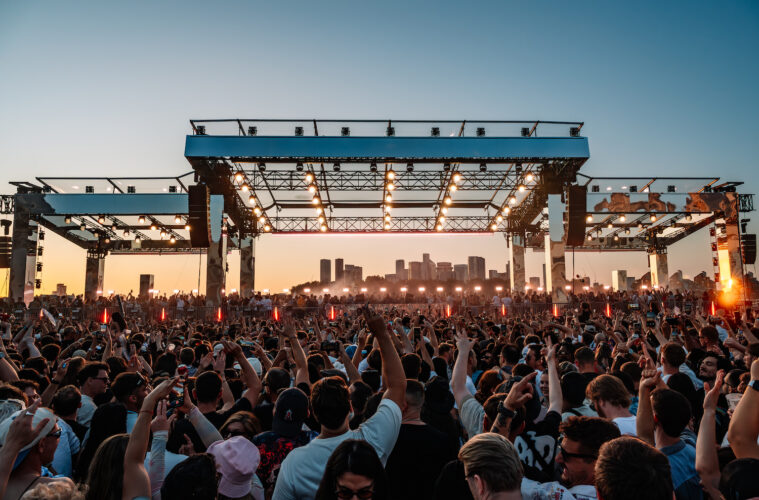
This summer that dream became a reality and the buildings, which form part of Greenwich’s Old Royal Naval College, saw 57,000 fans enjoy a series of shows by EDM acts that kicked off with Grammy Award-winning South African DJ Black Coffee. In total, the series featured 31 artists including Empire of the Sun, Solomun, Fisher and Anjunadeep Open Air who collectively delivered 45 hours of performances.
With the event’s promoter focused on giving something back to the community, the event raised funds for Greenwich & Bexley Community Hospice through on-site charity activations. Working in partnership with the University of Greenwich, two full-time internships were created to offer local students valuable hands-on experience in delivering large-scale events.
Castleman says the team decided to go all in on investing in a world-class production and operation fit for the historic venue: “The feedback from the artists, industry and fans has been beyond our wildest dreams and we’re all so excited to see how we can develop this concept year-on-year to create a summer gem for London.”
“I’ve never seen that sort of feedback from shows.”
“To see over 50,000 people, many visiting for the first time, not only immersed in the music and experience, but also connecting with the heritage, dancing against the backdrop of this iconic UNESCO World Heritage site, was truly inspiring,” says Old Royal Naval College director of public engagement & commercial Kate Miners. “Our vision is to preserve heritage in a way that keeps it alive, relevant, and vibrant for everyone. Partnering with Labyrinth Events was a bold step, and one that paid off. We’re thrilled to have taken this journey together, and we’re only just getting started.”
The remarkable setting for the shows was complemented by the work of High Scream, which produced the audio-visual elements. Overseeing the event production was We Group, whose CEO Nick Morgan’s job it was to handle the logistical challenges involved in staging the series of 10,000-capacity events at a UNESCO site so close to a bustling district of London.
Despite initial concerns, Morgan says local residents and businesses supported the event, and its promoters and producers were praised for both the community engagement and quality of the event’s production. Here, Morgan provides more insight into the work that went on behind the scenes to make Labyrinth on the Thames one of the most successful event debuts of the summer.
How did you first get involved in Labyrinth?
I have been working with Nick [Castleman] and the team at Tofte Manor on their shows there for the past decade, and that led to us producing the shows at the Old Royal Naval College. It has been a long-standing relationship; they produce their own shows at clubs, but when it goes outdoors, and they’re doing that more at scale now, we work with them.
What were the key challenges and complexities involved in producing Labyrinth on the Thames at such a sensitive site?
There was a lot of work involved, the level of planning was probably double that of a greenfield site.
It is a unique UNESCO site and that brings with it a lot of challenges in terms of appeasing the multiple stakeholders. You’ve got colleges there that are operational throughout, and you have organisations, including Historic England, involved; so making sure that all the protocols were agreed in advance was really important.
There is also protective order on the site, so you can’t stake into the ground and everything’s on ballast. That’s not uncommon, but what is different there is that even the ballast must be protected. That involved a whole other level of detail. All the traffic and plant movements on site had to be pre-planned very carefully. It’s quite a tight build site so you must make sure that the build programme is such that people aren’t going to be falling over each other. You are very prescribed by the existing buildings, whereas on a greenfield site you have multiple access points but Greenwich’s Old Royal Naval College has only one access point and the boneyard could only hold two trucks at a time.
“We try and make all our shows special, but being there in that environment, it was at the next level.”
There is also the fact that Greenwich is notoriously busy with vehicle traffic and massive footfall from tourism, so trying to hold trucks within Greenwich itself is very challenging if near impossible and that means you must plan the trucking very carefully.
There are highly populated residential areas nearby the venue. What initiatives and processes were put in place to appease the residents?
We began engaging with the residents and all stakeholders 12 month in advance of the shows to make sure they were aware it was happening. There was a nervousness, because it was a different genre from what they’ve experienced there before. Electronic music can be misconstrued to be louder and more offensive. It meant consistently keeping up that engagement, updating them of any changes, informing them of the production schedule and when we’re going to be on site, presenting the plan, but also to build excitement and make sure they felt part of it. A lot of the residents were really supportive as were local businesses; many of them thought it was great for Greenwich. That constant engagement was key, not least because residents are more mobilised than ever and, as we saw over the summer, there were some challenges at other shows.
Labyrinth on the Thames was clearly a success, so what’s the long-term plan? Will Labyrinth return to the venue next year?
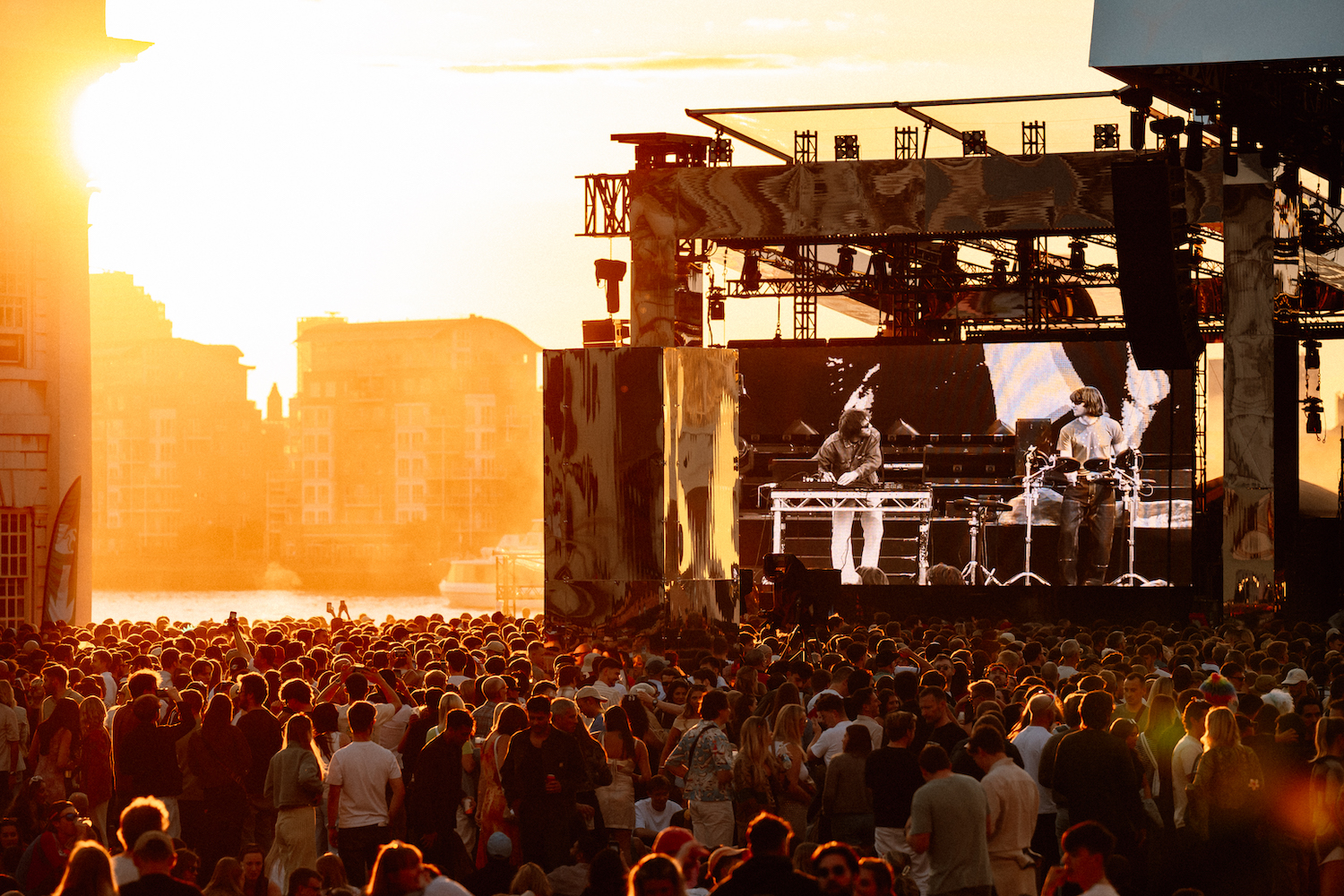
There is an aspiration to do more shows there and build on what we achieved and learned there this year. There are often growing pains in year one, and for any historic venue there’s a nervousness associated with receiving a new event and not yet having seen how it’s going to be produced, but the feedback has been great from the venue, attendees and the artist. It’s a very special experience in remarkable surroundings. The artist experience was very high level; it’s an iconic venue, the sun sets behind the stage, and the VIP bar was in the Painted Hall; which is an absolutely stunning location.
With the event being built in such a sensitive environment did that impact the selection process when it came to suppliers?
We consider suppliers to be partners because without them there is no show. Particularly, when you have a more complex build and site, it’s very important to use partners that you know and trust. So, we heavily relied on our existing network of partners.
There are preconceptions that electronic music events are synonymous with drug taking and loud music running late into the night. Do you feel that events such Labyrinth on the Thames, by positioning electronic music in such a remarkable environment and presenting it in a very professional way, are helping to change the public’s perspective of the genre?
There’s data suggesting that EDM is going to double in value globally over the next 10 years; it is currently at around $13 billion with festivals and clubs the largest revenue source. Shows such as Labyrinth on the Thames are helping to drive that growth and definitely helping to changing perceptions about the genre. Some of the comments that came back from attendees after the event were remarkable; I’ve never seen that sort of feedback from shows. One person said it was the best day of their life, which I am more than happy to facilitate. I really do think it was special. We try and make all our shows special, but being there in that environment, it was at the next level. It was great to see that the audience feedback also took the quality of the production into account. Customers are becoming much more educated about what’s involved in producing events, and broadly their expectations have become higher, so it was heartening to see a lot of comments praising the event on that.
This article is included in the latest edition of Access All Areas magazine, available here.