

 Christopher Barrett
Isle of Wight Festival MD John Giddings tells AAA about the award-winning festival’s evolution from a one-day loss maker to one of the UK’s best loved festivals.
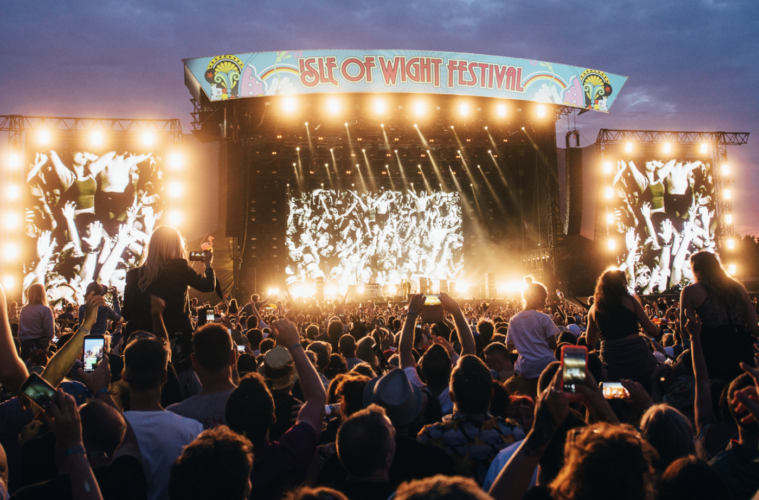
Every year the Isle of Wight Festival attracts 60,000 music fans from around the world to a tiny landmass with a population of 140,000. Among the big headliners due to perform for them at this year’s event are Sting, Stereophonics and Justin Timberlake.
Organised by Solo Music Agency MD John Giddings, the musical extravaganza generates around £10 million per annum for the local economy. However, the festival and the island’s locals have not always enjoyed such a harmonious relationship.
The first incarnation
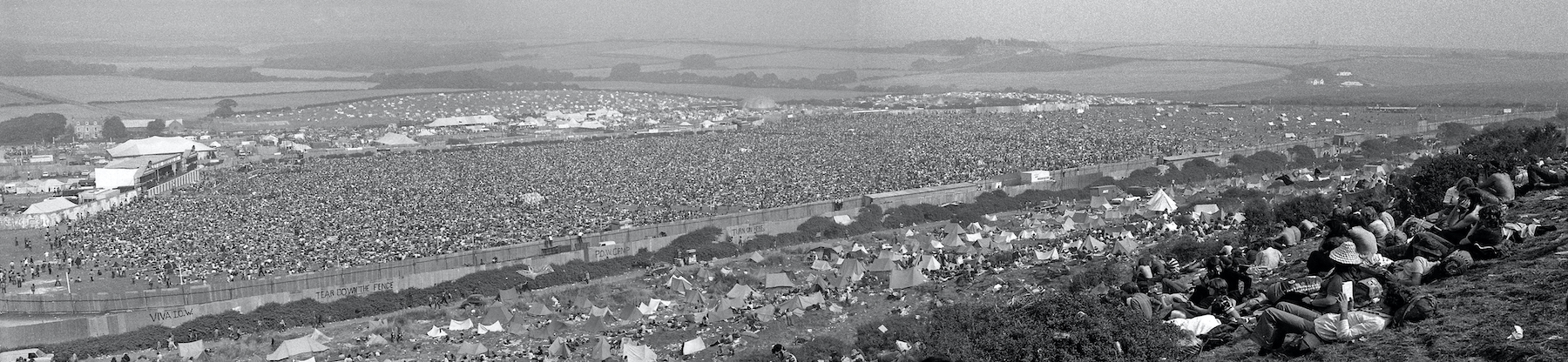
In August 1970 a 17-year-old Giddings, along with nearly 600,000 other people, attended the Isle of Wight Festival to watch performances by an array of acts including Jimi Hendrix, The Who, The Doors, Jethro Tull and Leonard Cohen. They left the island looking like a bomb had hit it and its then 100,000 population utterly shell-shocked.
The uproar that followed the departure of bedraggled festival goers that summer, from what was widely acknowledged as Europe’s equivalent to Woodstock, led to the British government passing the Isle of Wight Act – effectively banning gatherings of more than 5,000 people on the island.
The Isle of Wight Act left the island bereft of a music festival for 32 years, until Giddings was asked by the local council to return to the island and revive the Isle of Wight Festival in 2002 to mark the Queen’s Golden Jubilee.
Over the years since, the Isle of Wight Festival has grown to become one of the UK’s most successful music festivals. Marking the 25th edition of the festival this year, the Experience 25 exhibition was held at The O2’s Innovation Centre from 19 September to 13 November. It featured content from the numerous key performances since Giddings revived it, including Jay Z’s set in 2010 and David Bowie’s last live performance in the UK on June 13, 2004, when he closed the festival.
Giddings vividly remembers his first visit to the Isle of Wight Festival, meeting friends from St Albans on a beach at midnight and watching them hide their dope in ketchup bottles to avoid the attention of sniffer dogs.
Says Giddings, “The bus only took us halfway across the island so we had to walk for hours to get there but I remember coming over the hill and seeing the site, it was like going to battle, coming over the hill and seeing all those people. They all shared the same vision and love of music, it was amazing.
“I walked down to the front and was about 10 yards away from Jimi Hendrix when he played, which was extraordinary — everyone was transfixed by him. The Who were amazing, then there was Leonard Cohen, Jethro Tull: it was endless, it went on and on and on.”
By the time Giddings had learned the ropes as a social secretary at Exeter University and began working in the music industry, hippies were out of fashion and punk was rocking the foundations of the business. In the mid 1970s he began working with some of the most influential punk artistes of the era including The Ramones, Iggy Pop and The Stranglers but it wasn’t until decades later that he found himself crossing The Solent again with thoughts of a festival on his mind.
The revival
“In 2001 the Isle of Wight Council contacted me and said, ‘would you like to re-start the Isle of Wight Festival for the Queen’s Jubilee?’ They were contacting people across the music industry but not one person replied to them. I was the only person that said I would go down there for the day and meet them. Originally, I was just going for a laugh, out of nostalgia, and to get a day out of the office,” he says.
At the time Giddings (pictured) was working for Live Nation’s predecessor Clear Channel, having sold his company to them. He jumped on a ferry and found himself in the Isle of Wight watching local councillors debate whether to reprise the festival. They voted 8 to 7 in favour of reinstating it.
While Giddings says the production team now have an excellent relationship with the local council, it was not always the case: “At one stage we had a lawsuit against them, that’s how I met my wife Caroline, she is a lawyer.” Caroline went on to become the Isle of Wight festival’s director,
In 2002, with John Giddings acting as a consultant to the council, the first festival took place for one night with headline acts including Robert Plant and The Charlatans. Giddings says around 7,500 tickets were sold but the council lost nearly half a million pounds. At which point the council decided to run for the hills and gave Giddings the rights to the festival. In an effort to persuade top artistes to attend the event the following year the agent carried out a little artistic manipulation.
He says, “I photoshopped a picture of The Charlatans performing at the first festival and doubled the audience to make it look better and more appealing to artistes. The second year I extended the festival to two days and had Paul Weller one night and Bryan Adams the next. I promptly lost half a million pounds.
“I didn’t realise that everyone in the music business was laughing at me at that point, thinking; ‘how stupid to recreate a festival on an island you can only get to by boat’.”
David Bowie’s performance at the 2004 Isle of Wight Festival was his final concert in the UK
After two loss-making events, it was all or nothing in 2004. “The third year we had The Who, David Bowie and Stereophonics and we were off to the races, we sold 35,000 tickets,” says Giddings.
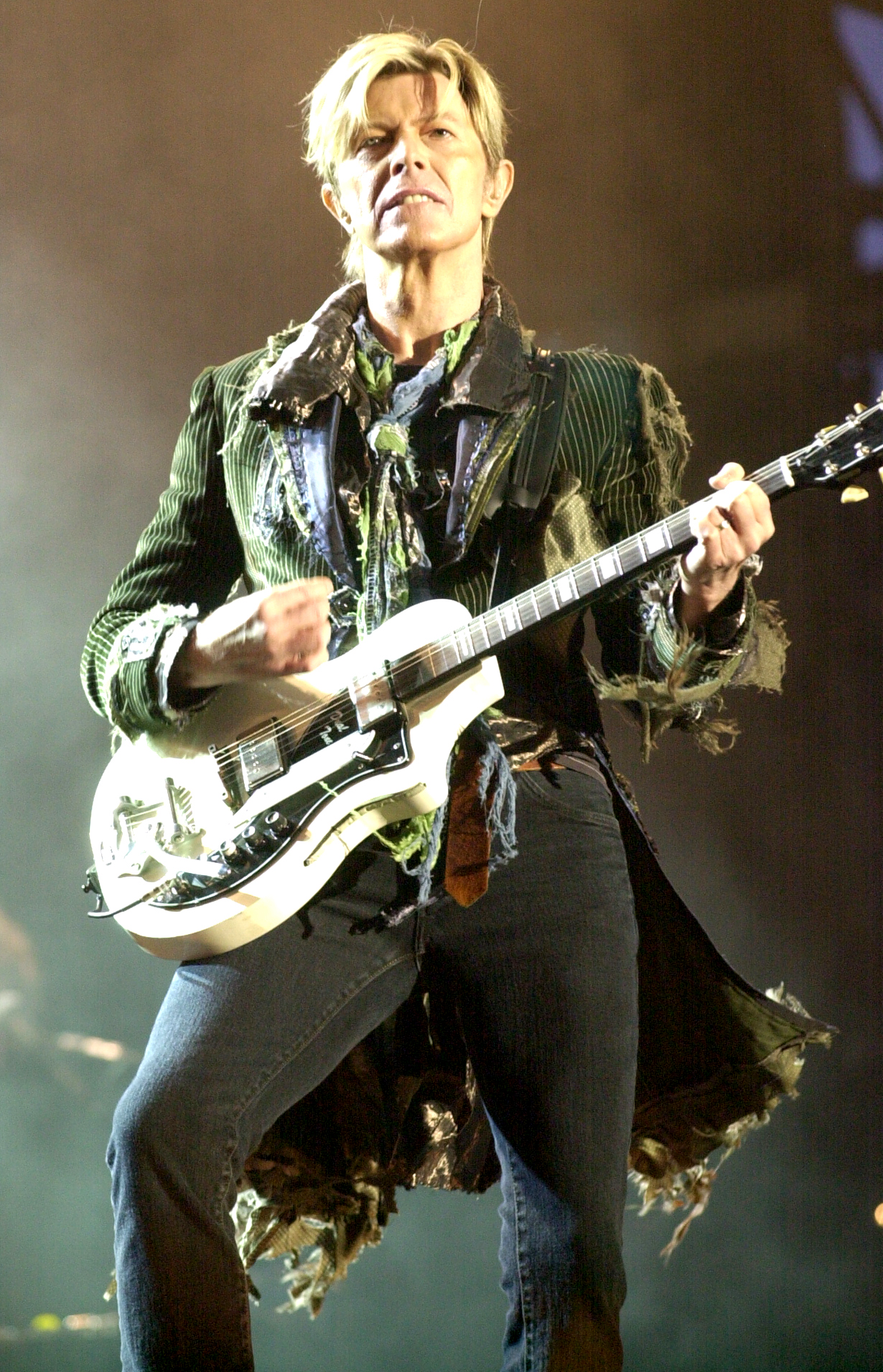
David Bowie’s performance at the 2004 Isle of Wight Festival was his final concert in the UK
A class act
Over the years the festival has staged performances by some of the biggest artistes in the world including Jay Z, Bruce Springsteen and The E Street Band, Paul McCartney, Neil Young, The Police, The Sex Pistols, R.E.M and Coldplay.
A particular highlight for Giddings was the show put on by The Rolling Stones in 2007. “The Stones were only going to bring their B-stage, so I paid an extra £100,000 for them to play three songs in the middle of the park,” he says.
Jay Z’s performance in 2010 was another highlight for Giddings, “I thought an audience couldn’t get more excited, and then Kanye West walked on and it sent a shiver up my spine, it was extraordinary. I turned to my left and Beyonce was standing there – It doesn’t get better than that.”
In 2017, Live Nation acquired a majority stake in the Isle of Wight Festival via LN-Gaiety, Live Nation’s joint venture with Denis Desmond’s Gaiety Investments. At the time Desmond said, “John Giddings and the Solo team have developed the Isle of Wight Festival to be one of the most iconic festival brands in the world.”
Aside from the level of organisation, attention to detail and quality of the personnel and artistes involved, Giddings says the success of the Isle of Wight Festival is partly a result of its world-renowned name and the heritage that goes with it. “I wouldn’t want to start a festival that didn’t have a name or something solid to build it up from,” he says.
Despite its international reputation and ability to attract crowds of between 50,000 to 60,000 ticket buyers each year, Giddings says he takes nothing for granted, “It has never been plain sailing but that is part of the fun of doing it.”
This article is included in the Winter edition of Access All Areas magazine, which is available here. A recent interview with John Giddings at the Access All Areas Conference is to be made available as part of the AAA Backstage podcast series.