

 Christopher Barrett
Ahead of the European Festival Awards 2025 at Eurosonic Noorderslag (ESNS) on 14 January, organised by European festival association Yourope, Access caught up with its chair Christof Huber to discuss the event, and the key issues facing the festival industry in 2026.
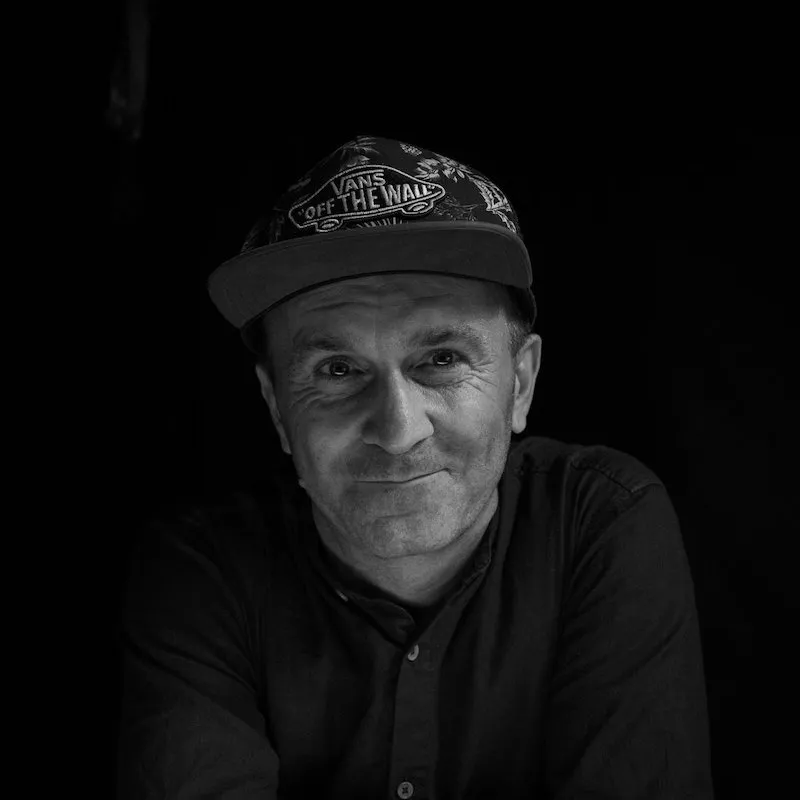 A highly experienced live event promoter and festival operator, Christof Huber has been a board member of Yourope since it was launched in 1998 and has been its chair since 2021. The organisation currently represents around 130 festivals scattered across 26 countries.
The public voting for the 15th edition of the Yourope-organised European Festival Awards closed on 20 November, with festivalgoers responsible for selecting the winner of the main categories including Best Major Festival, Best Medium-sized Festival and Best Small Festival, as well as line-up of the year and newcomer of the year.
The ceremony in Groningen will see the Lifetime Achievement Award go to Ewald Tatar, the man behind some of Austria’s biggest festivals including Nova Rock, FM4 Frequency, Forestglade, Clam Rock and Lovely Days.
Meanwhile, a jury will decide who is to be victorious in the other categories, including the Green Operations Award, Brand Activation Award and the Take A Stand Award. Among the winners last year were Opener Festival, Montreux Jazz Festival, We Love Green and EXIT Festival.
How important a role does the European Festival Awards have in bringing together European festival operators and celebrating success?
This annual gathering to celebrate the festivals and their important role in bringing people together ties into the general goal of Yourope, to connect the European festival family. By celebrating the festival scene we’re also able to connect and share best practices across all sizes and forms of festivals. It’s also very important to highlight the importance and significance of festivals as platforms in Europe. Not just as cultural spaces, but also as important voices in politics and society in general. Especially, in a time of multiple crises and wars it is of the utmost significance to stand up for unity and discourse in a peaceful way through music and cultural events.
What element of the event do you find most enjoyable?
Meeting old friends and new across the industry and seeing what has been accomplished by so many different festivals across the continent.
Are there any new categories this year?
We introduced the New Kid On The Block Award last year. This award honours new and young business talents up to the age of 30 who have made a name for themselves in the international music festival business through exceptional achievements and creative talent (booking, artist liaison, production, marketing, project management, safety, sustainability etc.). The winner stands out by going above and beyond what was expected of them and demonstrating high potential for the future. For now, we’re very happy with this line-up of awards.
How important is it that the public is involved in the voting and how many votes are usually cast?
This involvement is paramount. In the past year, festivals from over 30 countries participated and more than 300,000 single votes have been cast by the public. This resulted in 104 shortlisted nominees in 13 distinct categories, not counting the Lifetime Achievement Award. This participation shows, how much the public values festivals as spaces of freedom and exchange. It also ensures a balanced process, in which we’re honouring the most popular festivals as well as the most prolific in certain fields via the specialised categories.
“It shows how much the public values festivals as spaces of freedom and exchange.”
Yourope has long been bringing the continents’ leading festival promoters together to exchange ideas and knowledge, what are the key issues currently facing the industry?
Festivals in today’s climate are facing many different challenges in many different fields. The ever-rising costs in general are one of the main issues, but also climate change and the accompanying environmental issues and extreme weather conditions, political pressure and backlash regarding grants for festivals or the availability of artists are some of the key issues to name just a few.
You recently held the European festival Conference – what was the most beneficial result of that?
The fact, that this year’s edition, held in Portugal, was sold out with a record number of attendees shows that the demand and will to collaboration is greater and more necessary than ever. In general, to be able to discuss current and urgent matters with so many professionals from the field for several days in a secluded place is the most beneficial effect. As mentioned before, there are many challenges that we’re facing as an industry.
What is the Future-Fit Festivals 2.0 initiative, and how can festival operators benefit from it?
Resilient, responsible, relevant, resistant – how can festivals become exactly that? The Yourope will continue looking for answers with the help of its project Future-Fit Festivals 2.0” (3F 2.0). To educate and guide festivals in Europe, but ultimately also in the rest of the world, Yourope will create six create central publications: Extreme Weather Toolbox (2025), Fair Ticketing Guide (2026), Green Festival Navigator Tool (2027), Diversity, Equity and Inclusion (DEI) Roadmap (2027), a publication on Crowd Management Competence Levels (2028), a tool to support Ukraine (2028).
These publications will help answering the following lead questions: What does the responsible festival of the future look like, and how do we achieve that? What makes European festivals resilient to meet the challenges of the future? How do tomorrow’s festivals ensure that they continue to play the relevant role in popular culture and the lives of millions of young people? How do we make our festivals resistant to threats and attacks on their foundation & values?
It’s been a tough few years for many in the festival industry, are you optimistic about the 2026 season and why?
All the discussions and responses from festival promoters from all over Europe at the recent European Festival Conference in Évora have shown me that the spirit, motivation, and love for festivals and creating unforgettable experiences for our attendees is unmatched. This is what keeps us going and makes me very optimistic about the future. Challenges are part of the game and resilience has always been a key competence of festival organisers across the board because there are so many different challenges.