

 Max Steventon
Wildkind has built its identity around a different approach to festivals, replacing traditional line-up focused events with immersive experiences centred on creativity, participation and community. Founded by Lee Denny and Julia Lowe, the team behind Leefest, Wildkind now encompasses Camp Wildfire, Camp Kindling and Wildkind Social Club, bringing together thousands of people through shared experiences.
Access caught up with Denny and Lowe to discuss the journey behind Wildkind, the importance of community, and how they are developing a new model for festival experiences.
You grew Leefest from your mum’s back garden to a 5,000-capacity event, what inspired you to get involved in festivals?
Denny: When I was 16, I was going to gigs and festivals with my friends and experiencing the emotional power of those moments. There’s something about festivals where you open up, think about life differently and bond with people in a different way. I had always had a very DIY ethos with my friends of thinking, “If we like something, we can do that.” So at 16, we thought, why don’t we try and create something ourselves?
How did that journey progress from Leefest into Wildkind?
Denny: The journey from Leefest to Wildkind was a very personal one of learning how to organise things, bring people together and make projects happen. It was about cutting our teeth, learning about production, booking artists and understanding how to build experiences.
A key part of that journey was meeting Jules [Julia]. She played at Leefest with her band, and without that connection Wildkind probably would never have happened.
Leefest was very music focused, and we were always looking at ways to push it and experiment but we found it difficult because it had its own identity and needed to focus on what it did well. We started talking about creating something where we could change the fundamentals of the experience, not just add something onto a festival, but completely rethink how people experience an event. That became Wildkind.
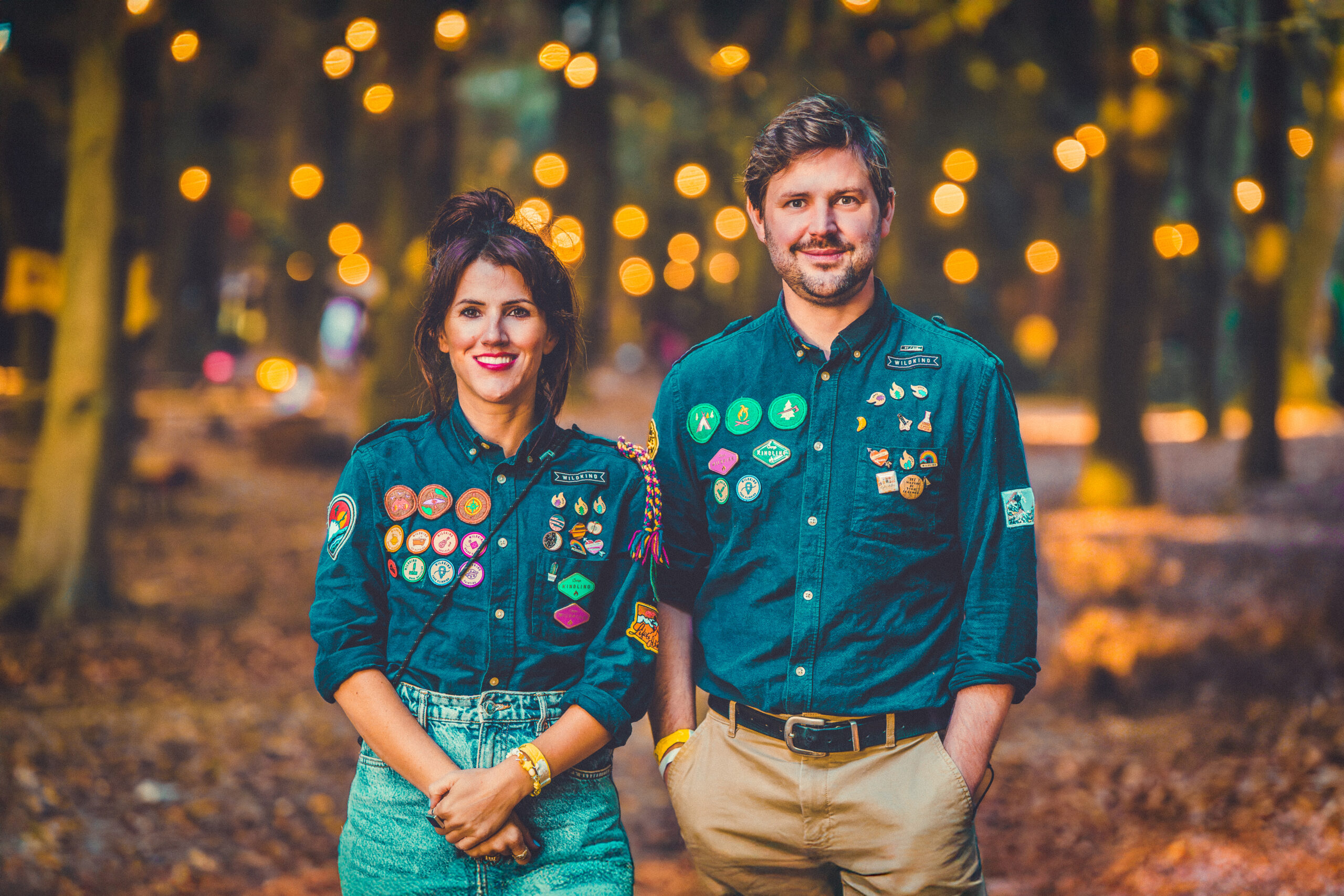
Wildkind founders Julia Lowe and Lee Denny
For people unfamiliar with Wildkind, how would you descrive it?
Denny: We started with Camp Wildfire, which is our longest-running experience under the Wildkind banner. It’s a summer camp for adults. Five years ago, coming out of Covid, we launched Camp Kindling, which is a family version of that idea.
Wildkind has really emerged from those two experiences because the community around them became so strong, with people connecting and meeting each other throughout the year. We realised the real centre of what we were doing wasn’t just the events themselves, it was this community of people with shared values.
We had created these two events, but the most important part was the people who had gathered around them and the connections they were making. Earlier this year, we launched Wildkind Social Club, which is a membership-style experience where members can take part in activities and socials that bring a smaller version of the Wildkind experience throughout the year.
What is it about these events that creates such a strong community?
Lowe: We’ve noticed it more and more over the years and have spoken a lot to our community about it. It seems to be a combination of a few things. One obvious factor is keeping the capacity at a level where things still feel personal, while also making sure we are listening to the community and allowing them to help shape the events.
A big part is giving people opportunities to try things that might take them slightly outside their comfort zone. When you challenge yourself and achieve something new, you get that feeling of reward, and those moments create opportunities for people to connect with each other. A lot of the touch points at Camp are designed around creating those experiences, where people can say, “I did something I’d never done before,” and share that feeling with someone else.
What does the programming look like across the events?
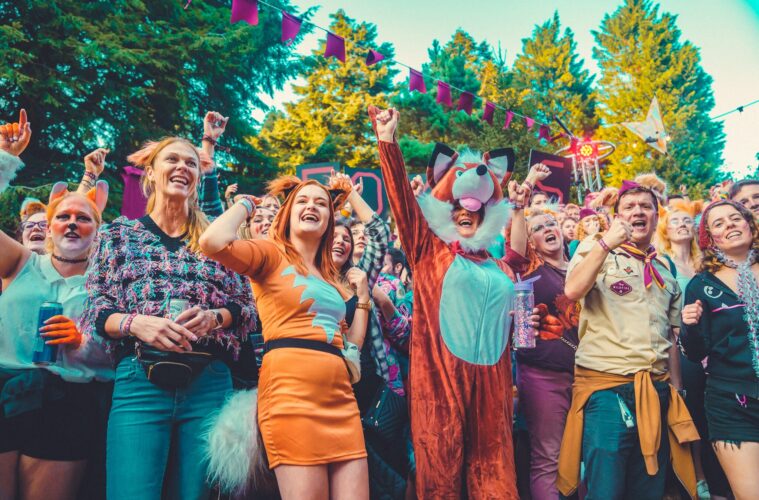
Denny: One of our phrases is “adventure by day, party by night”. Activities are really at the heart of the experience. When people buy a ticket, they have access to more than 100 activities and can sign up in advance to create their own programme, whether that’s quad biking, kayaking, knitting or yoga.
The activities are in small groups, usually around 10 to 20 people, so people naturally start having conversations and building connections. Over the weekend, you keep bumping into people you’ve shared experiences with. That’s a big difference from a traditional festival where you might stand next to someone watching a band but not necessarily have that shared experience to talk about.
Another important element is rituals. We have an opening ceremony, patrols where people join groups such as Badgers, Foxes, Squirrels and Hawks, and games that run throughout the weekend. There’s a sense of a shared story developing. Then from 8pm until 3am, there are parties and more traditional entertainment. Everything is designed to create a feeling that people are stepping into another world for the weekend.
“We decided not to compete in that game and instead create something completely different.”
Smaller festivals and independent events are facing increasing financial pressures. How have you managed to stay strong in that environment?
Denny: We learned from Leefest that if you’re trying to compete with the biggest promoters on line-ups, you’re not going to win. They will always be able to do that better. So we decided not to compete in that game and instead create something completely different.
That uniqueness really helps us because we’re not competing directly with other festivals. People see it as a bucket-list experience, particularly with Camp Kindling. Families are planning to attend when their children reach a certain age.
We also put a huge amount of investment into quality and delivering the experience we promise. If people are worrying about basic things like toilets, they’re not going to have that transformational experience we want them to have. More than 50% of attendees return each year, and some people have been coming for the full 10 years. That loyalty comes from investing back into the community.
How has the relationship been with the local community around the site?
Denny: We have a really positive relationship with the local community. Because it’s such a different event, there isn’t music noise throughout the day, and we work hard to involve local people wherever we can.
We use local suppliers and invite people from the area to come and experience the event. They’ve been very supportive of what we’re trying to create.
What did you look for when choosing the site for Camp Wildfire?
Denny: I’d actually looked at the site before and thought it wasn’t quite right for other events. It’s a beautiful Victorian and Edwardian pinetum with incredible old pine trees, but it wouldn’t have worked for a traditional festival.
When the idea for Wildkind came together, we realised it was actually the perfect place. Jules had just watched Moonrise Kingdom and showed me that as a visual reference, and I immediately thought, “I know the place.” The estate has been a brilliant partner. When we started, we were only bringing 350 people and didn’t have much money, but they supported us while we worked out what the event could become.
The site is such an important part of creating that feeling. It helps people feel like they’re navigating another world. That comes from the environment itself, alongside the work of the wider creative team.
Looking ahead, do you see opportunities to expand Wildkind while maintaining that community feeling?
Lowe: We feel like we’re reaching the top point with the experiences we currently have at this location, but we’re interested in exploring what else Wildkind could become.
We’ve started experimenting with different formats. We’re bringing back Winter Wildfire this year, which takes the same concept indoors during winter. It’s a smaller two-day experience in London. We also have Wildkind Social Club, which is an even smaller version of what we do through activities and socials.
Looking further ahead, we’d like to explore bringing Wildkind to other parts of the UK, particularly the north, where we get lots of requests from people in places like Newcastle, Manchester and Scotland. The dream would be to take it internationally one day, maybe creating a summer camp experience somewhere new or exploring a winter mountain-based experience.
But we’re still an independent company with a team of around 10 people, so we want to grow carefully and continue building step by step.