

 Christopher Barrett
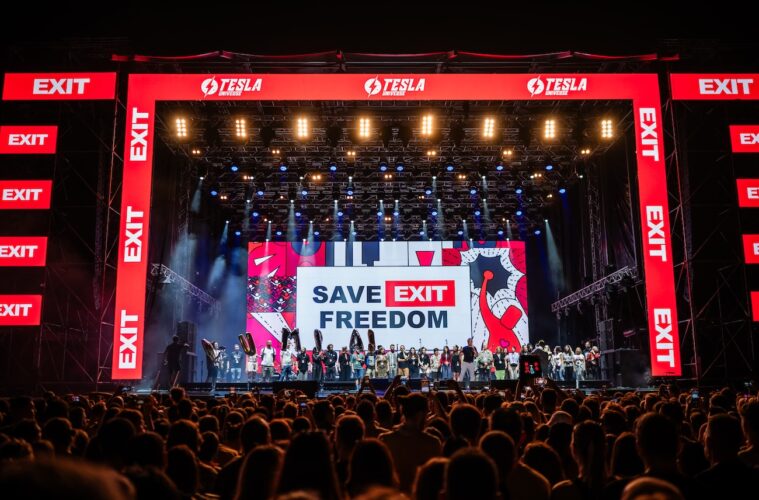
Serbia’s 55,000-capacity EXIT Festival has long provided a platform for free speech, having been launched by Dušan Kovačević and Ivan Milivojev as part of a student movement against the regime of then-leader Slobodan Milošević back in 2000.
Over the past 25 years the event blossomed to become one of Europe’s biggest festivals, attracting partygoers and performers from far and wide. EXIT may be located in a fortress, but that has not helped it withstand political pressure.
In 2024, mass demonstrations in Serbia gained momentum after 16 people were killed when a roof collapsed at a newly renovated train station in Novi Sad, EXIT’s home city. Many Serbians blamed the collapse on corruption linked to President Aleksandar Vucic and the neo-liberal SNS party. EXIT publicly aligned itself with the protestors and has since been stripped of more than €1.5 million in government funding and government-controlled sponsorship.
On the back of the 25th anniversary edition of EXIT being staged last summer, its organisers have cancelled the event for the foreseeable future and instead organised a world tour; taking the festival brand to the likes of Croatia, Egypt and India.
Here, Dušan Kovačević and Ivan Milivojev discuss the future of the event, why cancelling it was unavoidable, and how they are rethinking its future while staying true to its roots.
Exit has long been associated with protest but you’ve described last year as the most difficult moment in the festival’s 25-year history..
DS: Following the tragic collapse of a newly reconstructed railway station canopy, which killed 16 people, students took to the streets in unprecedented numbers. This wasn’t a political movement in the traditional sense – it was a moral one. Corruption was no longer abstract; people had died. For us, as a festival born out of student protest in 2000, supporting this new generation wasn’t a choice it was an obligation.
How did that position affect EXIT operationally?
DS: Almost immediately. Once we publicly supported the student protests, we became persona non grata. Licences were blocked. Sponsors with government links withdrew. Artists and cultural workers were blacklisted. The pressure wasn’t subtle, it was systematic. At that point, continuing as if nothing was happening would have betrayed everything Exit stands for.
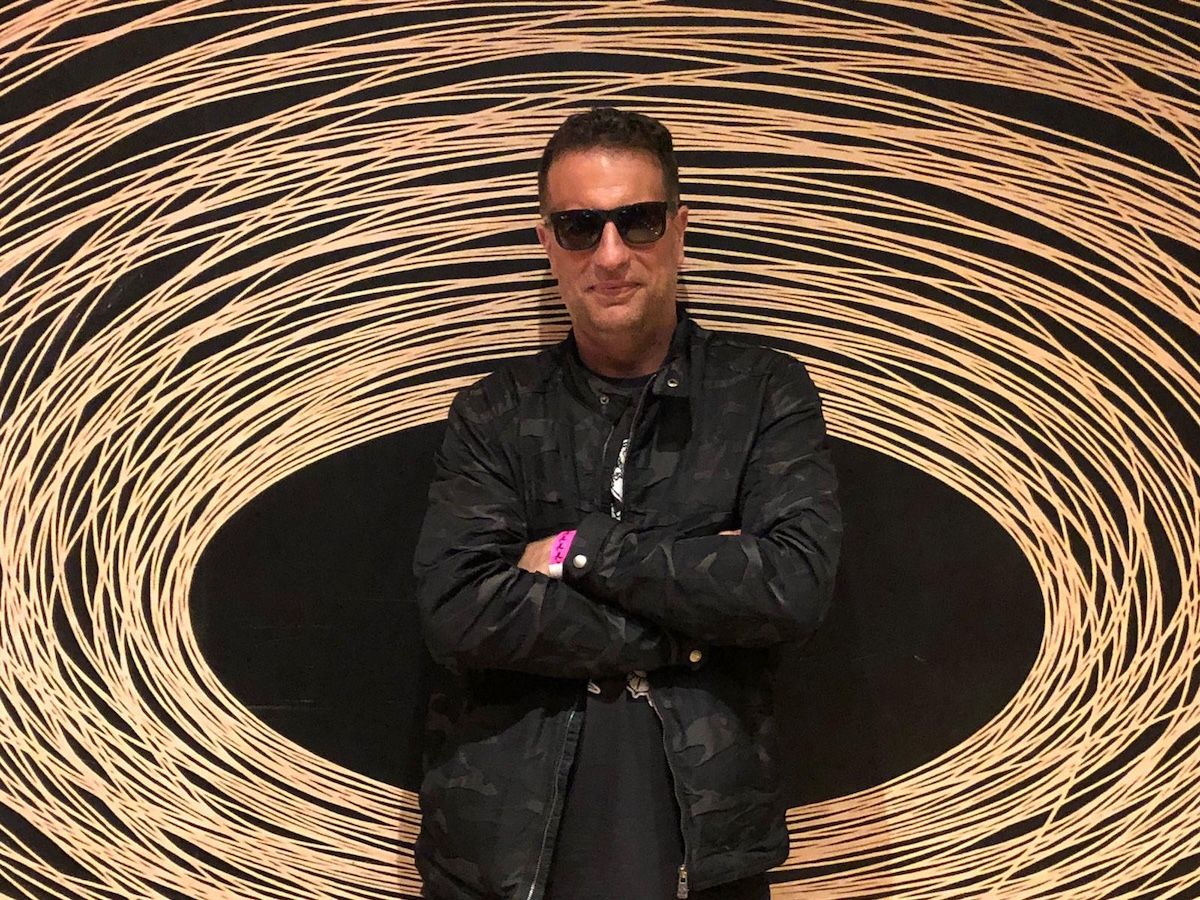
Ivan Milivojev
You ultimately decided not to stage the festival at all. Why was that the right move?
IM: We’ve won major European festival awards multiple times. We’ve overcome war, sanctions and financial crises. But this time, not doing the festival was the strongest possible statement. After 25 uninterrupted years, stopping was louder than continuing. It signalled that cultural freedom matters more than business continuity.
“EXIT’s fight isn’t just Serbian, it’s European.”
Has the impact of the political situation impacted the wider creative and events industry?
IM: Absolutely. This isn’t just about EXIT. Actors, theatre directors, filmmakers – anyone who supported the students has faced consequences. National theatres were effectively shut down. TV series removed actors overnight. Venues were threatened with inspections if they hosted “undesirable” artists. It’s an ecosystem-wide problem.
Was EXIT’s economic contribution not a consideration for the government?
IM: Since launch, EXIT has generated over €300 million in economic impact. We helped our city become the European Capital of Culture [2022] and Youth Capital of Europe [2019]. In any normal system, that would matter. But this government isn’t operating on cultural or economic logic. It’s survival mode. For them, it’s power or prison – there’s no middle ground.

Dušan Kovačević
So what happens next for EXIT as a brand?
DS: We’re going on the road. What we’re calling an EXIT World Tour is not a replacement for the festival at the Petrovaradin Fortress, that’s irreplaceable. But until we can return home, we’ll activate the brand globally through showcases and new-format events, working with independent partners in different territories.
Is this a step towards selling or partnering with a major promoter?
DS: No. We’re independent and not for sale. EXIT is like our first child, you don’t sell that. We’ll collaborate where it makes sense, but ownership and values stay with us.
How does this differ from EXIT’s previous international expansions?
DS: We’ve always been careful with brand architecture. EXIT only exists at the Fortress, with 30-plus stages. Elsewhere, it’s ‘powered by EXIT’. Different markets, different identities, same values. That approach gives us flexibility without diluting what EXIT is about.
Do you believe the festival will return to Serbia?
IM: Yes. Governments change. This situation isn’t sustainable. But timing is uncertain – 2027, maybe later. When it happens, it won’t just be another edition, it will be a homecoming.
Finally, what should the wider European live industry take from this?
IM: That this can happen anywhere. Cultural freedom isn’t guaranteed. If we don’t defend it when it’s under pressure in one country, it weakens everywhere. EXIT’s fight isn’t just Serbian, it’s European.