

 Christopher Barrett
WOMAD will return this year with a new site, new stages, new suppliers and a new capacity, signalling a new start for the much-loved event. AAA caught up with festival director Chris Smith to find out what the changes mean for the event, its production and future.
Since it was founded in 1982, Peter Gabriel’s World of Music, Arts and Dance (WOMAD) Festival has long been regarded as the UK’s leading global music event, offering a remarkable array of artists from every corner of the planet.
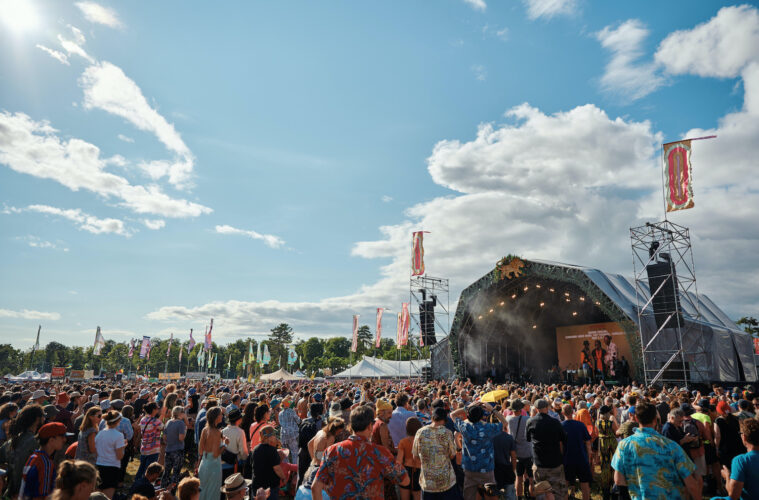
One of the UK’s few remaining large-scale independent festivals, WOMAD has been staged at Charlton Park, Malmsbury, since 2007, having previously counted Rivermead in Reading and Shepton Mallet among its homes.
The 43rd edition of WOMAD (cap. 25,000) will take place on 23-26 July, and mark a new era for festival, when it will become the first event to be held at the Neston Park country house and estate. After a fallow year in 2025, WOMAD’s return will reunite a team, led by festival director Chris Smith and head of operations Rupert Bassadone, who are overseeing sweeping changes while going to tender with many of the supplier services.
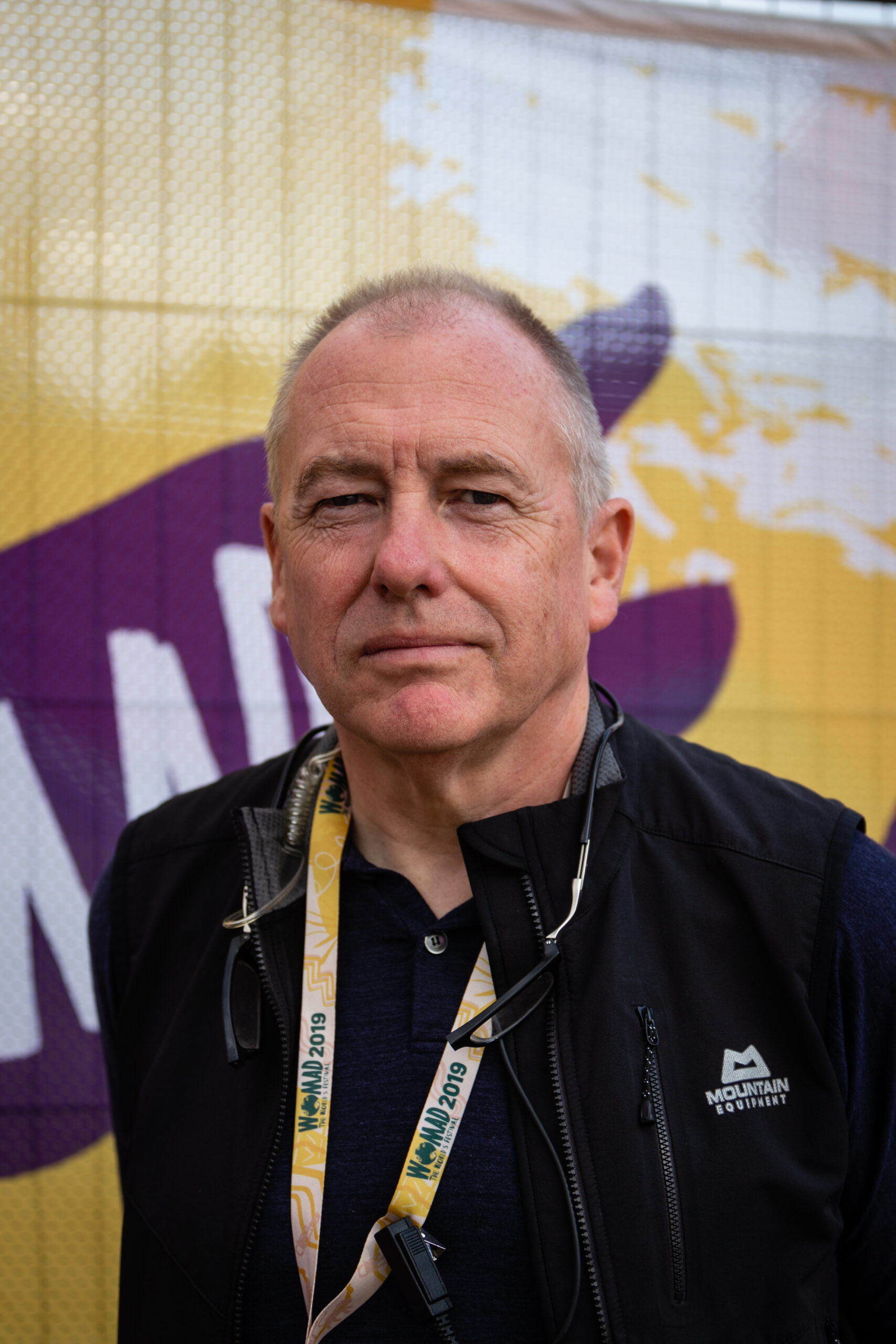
Womad Festival director Chris Smith
What led to the move away from Charlton Park and what does the new location mean for the look and feel of the event?
When Chalton Park estate changed hands, and the son Alexander Howard [the 22nd Earl of Suffolk and Berkshire] took over, it became apparent that his agenda and ambitions for the estate were different to what we had enjoyed previously. With that in mind, and the changes in the industry – not least the financial challenges, Peter [Gabriel] saw it as an opportunity to review and refresh the festival. Finding a new space has been quite cathartic, it’s been a really positive opportunity to take a fresh look at the event and begin a new chapter.
We’re not going to use any of the same structures and we’re not going to use any of the same stage names; it’s literally a case of blank piece of field and off we go. The change has not been without its challenges, and I’m sure there are more to come, but ultimately I think it’s going to be a big success.
At Charlton Park you made great use of the features within the grounds to create unique elements such as the Taste The World stage in the arboretum. What will the new-look WOMAD layout involve?
The move has presented an opportunity to be more inventive, because we’ll have fewer stages. There’s a phrase we use, ‘festival creep’, which is when you have a show that continues to expand year after year until before long you’ve got a festival that has increased in size and cost, and perhaps the core values have been diluted. We’ve taken the opportunity to ask our audience what really matters to them, and they have responded with vigour; so that’s been a really useful exercise. We will continue to introduce new things, like we did with the moon stage in the secret forest at Charlton Park, but rather than continuous growth we have a focus on continuous regeneration.
“The move has presented an opportunity to be more inventive.”
Aside from music, arts and dance, there is a real focus on food at WOMAD, will that continue?
Taste The World is a very good example of something that is now at the core of the festival, because it connects with WOMAD’s cultural exchange and exploration theme. We’re the only festival in the world that not only wants our artists to perform; we also want them to cook. That is very much part of the future and is something that’s evolved as part of the show. In terms of the general food offering, we could be more commercially astute in how we curate our traders, but we would rather have the right traders with the right products than simply have the traders who offer us the highest financial return. That’s arguably true of everything we do; we could definitely book more headline artists and possibly sell more tickets, but it would be counterproductive to the ethos of what WOMAD represents.
How much of an influence is Peter Gabriel having on the changes to WOMAD?
It’s great when you have a hugely talented and famous musician at the heart of your show, as the owner. He’s got involved in this year’s WOMAD in a way that he hasn’t for a while, and he’s had a real influence on content. Peter is very keen for us to explore genres, including global hip hop and rap, and bring them into the programme. That’s brilliant and will potentially address the challenges we all face around audience and demographic. There are lots of good ideas coming in from lots of different directions, but it will still be WOMAD, and those famous flags will still be fluttering.
As part of this new chapter for WOMAD, are you refreshing its programming and the team responsible?
We’ve got some additional curation. We can’t announce the details yet but there’ll be another well-known UK based organisation, that has an international portfolio, which will be curating content across the site. Paula Henderson will always be our head of programming, but we will bring in curation from other sources just to keep it exciting.
You mentioned there will be fewer stages at this year’s WOMAD, what’s the strategy behind that move?
It means having fewer stages but also using them differently. For example, the Taste The World Stage will be reconfigured, with activity during the day and evening; when it is going to become the late night dance area. Previously, that stage stopped functioning at six o’clock and then sat dormant. It’s a matter of using the space differently but also dropping a couple of stages. That means there will be fewer performances, but we are investing the artists budget more thoughtfully and are going for quality rather than quantity.
“We’re not going to use any of the same structures.”
Will the festival’s audience capacity remain 40,000 at Neston Park?
We’re in the process of applying for a licence for a reduced capacity of 25,000. The intention is to stick with that, so we don’t create a platform for 25,000 and when it sells magnificently we go back up to 40,000. There’s a sense that 25,000 is the right number for the kind of show we want to create. If you look at other festivals that are currently successful, that seems to be where they’re sitting in terms of their capacities, certainly among the few remaining independents. You get the sense that it is where the industry is going; smaller is better. There’s a new generation of 3,000 to 4000 capacity festivals being organised by young teams for their contemporaries and that’s the kind of energy that we’re looking for.
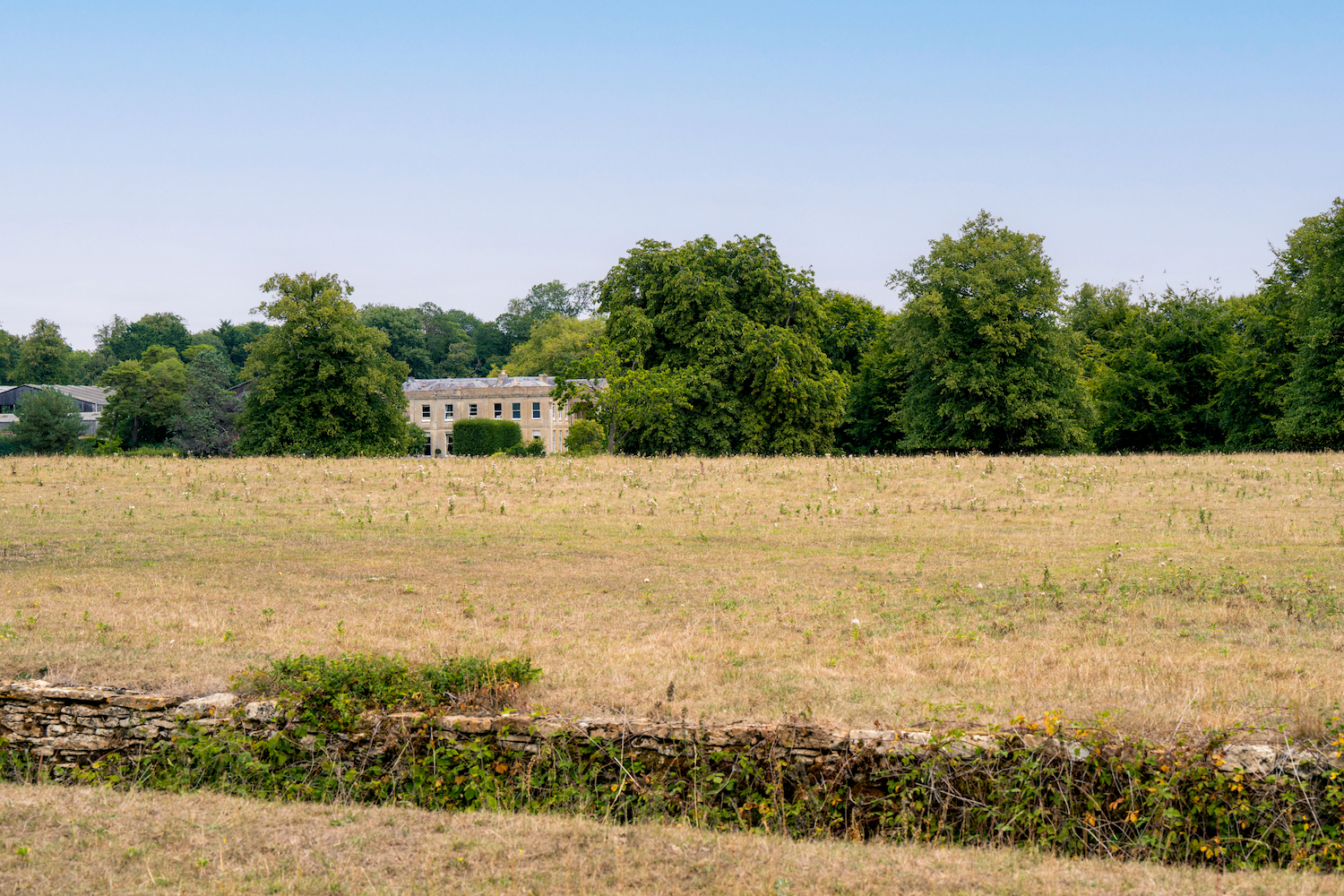
Neston Park
By moving to Neston Park, WOMAD remains in Wiltshire. Was that the main reason for choosing the site?
The very first site we visited was Neston Park, having been introducted via someone who knew the family. They said, ‘It isn’t the sort of thing they usually do but they’ve been to WOMAD and they love it’. So, we went down to see them and the site. Everyone who has been there says, ‘It’s a beautiful place and there’s a real energy to it’, and that’s not just hippie nonsense – it’s a remarkable place. We then did a tour of the south west, and as far up as Cambridgeshire, looking at potential sites. The deciding factor wasn’t just that Neston Park is up the road from the office, which is helpful, but that the owners weren’t just looking for a festival, for an income stream, they only wanted WOMAD.
The market is extremely challenging for independent festivals. Clearly you have the backing of Peter Gabriel but how else is the event being financially supported?
The UK WOMAD festival is the only festival we do internationally that does not have support from the country’s government. The way that it has worked historically is we have been able to use the surpluses income from our international portfolio of events to support the UK event in the difficult years, but what we’re now seeing internationally is the problems that are hitting the UK independent festival market are hitting the international market for our events. The reality of that is that we are having to manage the event differently because we have less income. One of the reasons for the changes to the UK event is that our global income has reduced, and our UK income was never at the level we required, so we’re now having to adjust to that.
WOMAD was the second major event to use Ecotricity and Grid Faeries 3MWh clean energy battery to power a stage, what key sustainability steps are to be taken at Neston Park?
It was great working with [Ecotricity CEO] Dale Vince and [A Greener Future CEO] Claire O’Neill and their teams last year on that project. We were all learning and in the end it was a huge success. We would love to use the battery again. Because Neston Park was a commercial dairy farm, there is an existing power supply there that will enable us to power a stage or two from renewable energy without the need for a battery. We are in conversations with Dale and hope to continue to work with them as part of the move to take the dependency away from diesel generators. Before the pandemic, we had started to be able to plug chunks of the Charlton Park site directly into a renewable energy source by laying copper cable, but, of course, copper cable is now even more expensive than running a festival!
You have headed WOMAD since 2008 and have many long serving members of the team. Will that continue at Neston Park?
Rupert Bassadone is overseeing the operations, as he has done for many years now.
He was the first person I appointed when I took over, so I’ve worked with him for a very long time, and he is still there fighting the good fight. He’s a very talented, annoyingly handsome, young man. One of the things that makes WOMAD a little bit special is the experience of the team. We have crew members who have been with us for an extraordinarily long period of time. For example, site manager Steve Haddrell has been working with WOMAD for 35 years. Having people like Steve and Rupert, that level of experience on the team, is as important as having the bright, talented young people.
What does the move mean for suppliers, are you continuing to work with existing partners or are there opportunities for newcomers to get involved?
We are going through that process as we speak, and there are some areas of the show that we haven’t put out to tender for a very long time that will be. For example, we’re looking at the wider market for tech production. We’ve worked with the same brilliant company for a number of years, and maybe that will continue, but equally there is an opportunity for others to get involved. We don’t have the luxury of just maintaining positive relationships, we’ve now got to have positive relationships that are economically viable, which is the reality of the world we live in.