

 Christopher Barrett
Andy Burnham’s government has been called on to bring the UK in line with other European countries by supporting the grassroots festival sector with tax relief.
With 45 UK festivals having announced cancellations, postponements or closures in 2026, the Association of Independent Festivals is calling on the UK Government to help a sector that plays a key role in supporting emerging artists, crew, suppliers, and local economies.
The 45 closures this year, follows 43 festivals being shut down in 2025 and a record 78 having been closed in 2024, according to AIF research.
The association said the closures this year highlight the ongoing financial pressures facing the sector, despite a year of strong ticket sales, record sellouts at some events, favourable summer weather and the launch of new festivals.
Among the latest cancellations are Dundee’s Doof in the Park, which has cancelled its 2027 edition after two successful years, growing to a capacity of 17,000, and Devon’s GoldCoast Oceanfest, which has announced its closure after 26 years.
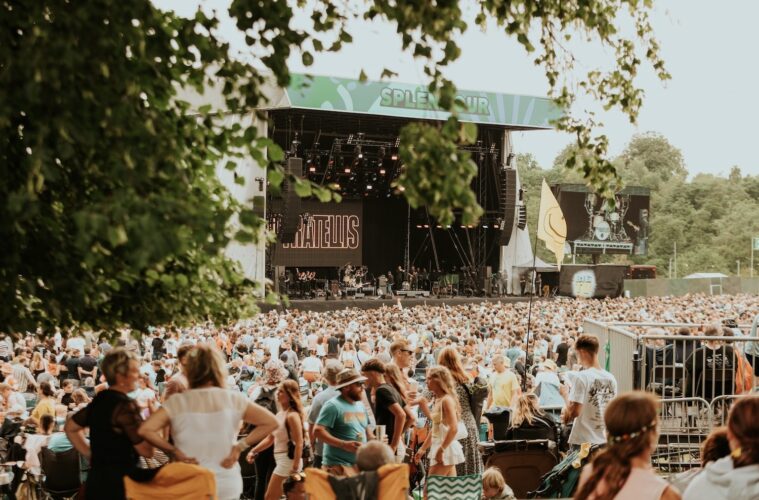
In June, DHP Family announced that this year’s edition of its Splendour festival would be the last, citing multiple factors including the impact of multi-national promoters and diminished civic support. This year’s 25,000-capacity Nottingham event concluded an 18-year run for the festival.
Among the many others was the 5,000-capacity independent Red Rooster festival that specialised in Cajun, soul, rock’n’roll, blues and country music. It was planned for May at Suffolk’s Euston Hall but called off due to increased production costs.
AIF CEO John Rostron said despite it being a year of strong ticket sales and favourable summer weather, the economics of running an independent festival remain incredibly challenging: “Organisers are working harder than ever to deliver brilliant events, but rising costs and increasingly tight margins mean strong demand alone is no longer enough to guarantee survival.
“Independent festivals are vital to the UK’s music ecosystem, supporting emerging artists, creatives and local economies. We cannot afford to keep losing them.”