

 Christopher Barrett
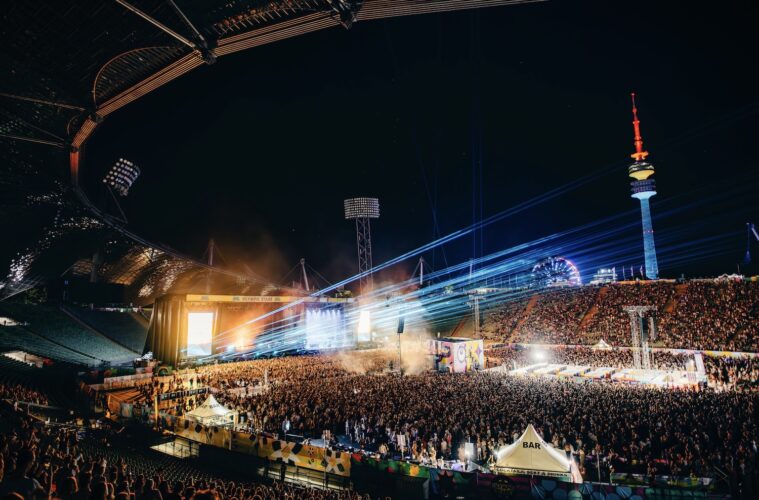
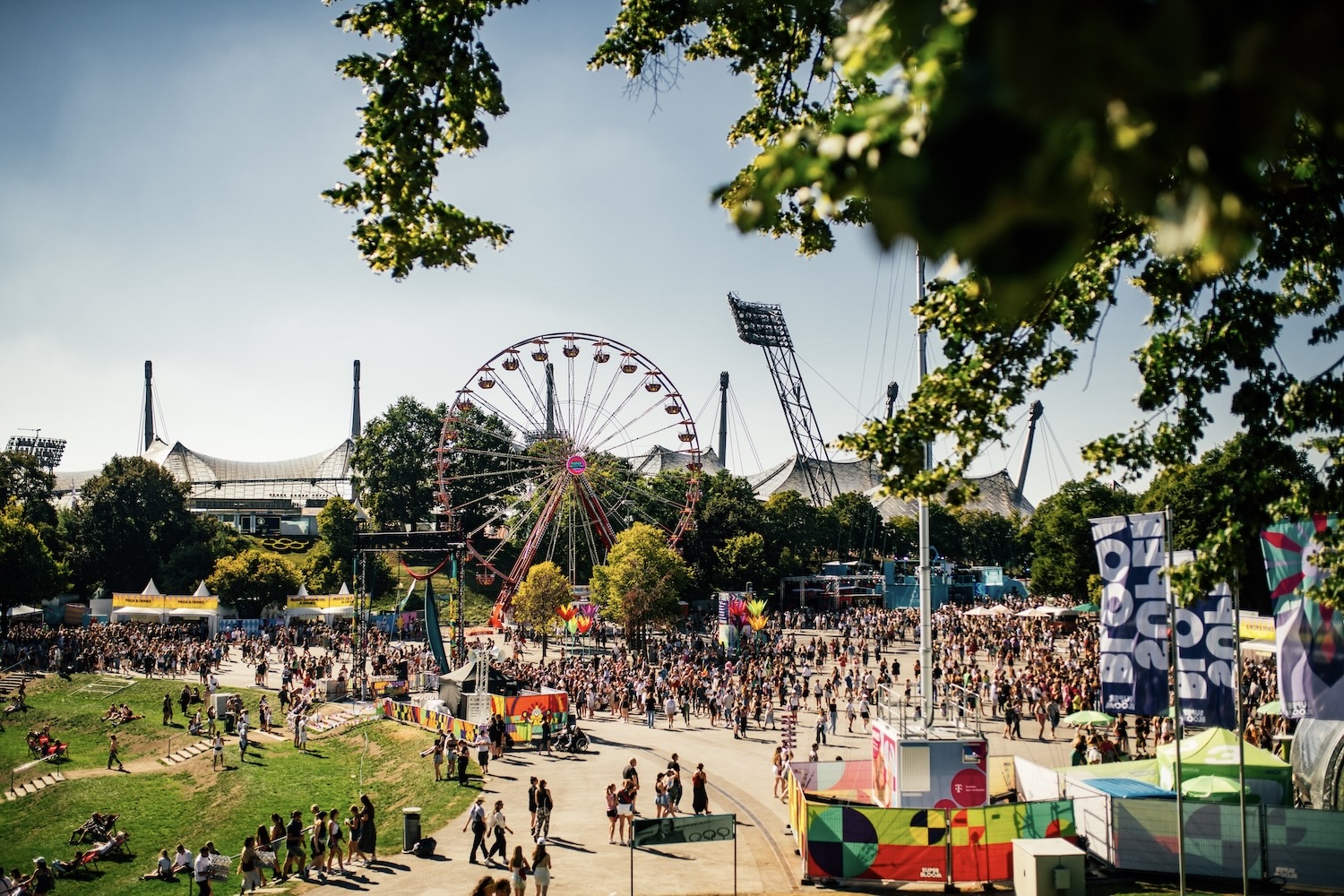
In a festival landscape reshaped by the pandemic, Superbloom sprung forth and established itself as one of the European festival industry’s most dynamic newcomers. The event, which was launched in 2022 with a 50,000 capacity, has sold out every year since and was increased to 60,000 last year. Festival director Fruzsina Szép discusses how the event continues to carve out a distinct identity in a challenging market.
You launched Superbloom in Munich’s Olympic Park right after the pandemic. It was a difficult time to launch a festival. Did the debut go as planned?
We had intended to launch in 2020. Everything was set; all the artists were confirmed, and we were ready to go – but then the pandemic hit and everything changed. We postponed to 2021, and by April of that year it was clear that large gatherings still couldn’t happen. So, 2022 became our first edition.
I’ll always remember it. It wasn’t just about being able to hug people again, or the world opening back up – it was having to rediscover our rhythm again. Even people who had been working on festivals for decades found themselves navigating new territory. We saw that not just within our team, but across the industry.
Superbloom is rare in that most of the festival audience are women. Was that an intentional target from the outset?
I hoped for 50/50 balance but it went beyond that. The name Superbloom is very important, it’s soft and uplifting, and we booked the artists and created the whole experience around it. For the programming, I have always tried to achieve a balance of male and female, but the focus is never gender specific, it is focused on booking the right artists for the festival. For Superbloom, that is good mainstream popular music that includes everything from EDM to singer songwriters, but not hard rock. I also created areas for design, fashion, beauty, health, new technologies, medicine, new circus, sustainability and other topics that interest a lot of women. Since the outset, the festival has attracted a lot of brand partners that are more focused on the female audience. As a result, we see diversity across the bill and the audience.

Fruzsina Szep
The increase in artist fees and exclusivity issues have led many festivals to increase investment in the wider experience rather than the biggest name headliners. Is that the case at Superbloom?
Completely. In fact, that’s been my philosophy my whole career. A festival is far more than its lineup. I worked at Sziget between 2008 and 2014 as a programming and artistic director, and for me it was natural to create a balance between the wider experience and the music.
I grew up in an artistic family, so it has always been in my DNA. I always knew a festival wasn’t just about stages, drinks, and food – it’s a playground where you can experiment and program new ideas. It’s about creating an environment where people can be surprised, inspired, emotionally moved, and creatively stimulated. Dream big, then scale back if you must but start with the dream. We are all architects of dreams, because these festivals are utopian worlds we are creating.
When I moved to Berlin in 2014 to help build up the first European Lollapalooza, my first thought was that it should not just be about the music. We shouldn’t be looking to sell tickets on the back of the lineup – it should be the festival brand, its identity, because that is what people are buying into. If you go to Glastonbury, Roskilde or Øya you know what you are getting. That’s why the people behind festivals are so crucially important, because they are the architects; they create the dreams.
You have seen huge demand for the comfort ticket offering. How does that differ from VIP?
The main idea is to have a hideaway. It’s not about exclusivity, it’s about wellbeing. Comfort ticket holders get shaded rest areas, seating, sun beds, and quiet spaces to relax. We also do side programming such as yoga and tai chi. The space provides breathing room for attendees, and it has been very well received.
How much do the comfort tickets cost, and is their room to expand the offering?
The tickets cost around 50% more than a regular ticket, with a capacity of around 2000 people. We don’t want to expand the capacity because we want it to be an area where people can truly relax. We have also introduced a ‘next generation’ ticket for 16 -17 year olds. It provides very affordable access for young people and is another ticket category that sells out very fast.
How much of a focus is there on accessibility?
I wanted to create a festival that was as inclusive as possible across genre, race and religion but also people living with disabilities. It is something I believe in deeply, it is very personal, because I grew up with a blind father, and he taught me that I should not only see with my eyes, I should feel with all my senses. When I created Superbloom I wanted to give something back to those who face similar barriers.
We have an inclusion team made up of people with lived experience, and an all-year service to support people with disabilities. In our first year, around 100 visitors with access needs came to the festival. In subsequent years, that number jumped into the hundreds, and last year we had more than 1,000 from seven countries. It is an investment, but it is worth every cent.